
Pork adobo
Also known as: adobong baboy
Best kept for occasional small amounts, not every day.
Fatty pork cuts make this very energy-dense.
Portion guide
1 serving (about 150 g)
Educational guidance only — not a personal diet prescription. Content is medically reviewed and based on recognised clinical guidelines — see references. If you have feedback or a suggestion to improve this website, .
Nutrition per 1 serving
| Calories | 380 kcal |
|---|---|
| Total carbohydrates | 4 g |
| Protein | 24 g |
| Fat | 30 g |
| Fibre | 0 g |
No reliable GI value published for this food.
Better ways to cook it
- Grill, bake or steam instead of frying
- Remove visible fat and skin
Practical advice
- Keep for occasional small amounts, not every day
- If you have it, eat it right after a balanced meal
Detailed clinical explanation
High in rapidly absorbed carbohydrate, added sugar or saturated fat; frequent intake is associated with poorer glycaemic and weight outcomes.
Scientific references
- Estimated from a standard home recipe using USDA FoodData Central ingredient values; to be verified.
- American Diabetes Association. Standards of Care in Diabetes — Facilitating Positive Health Behaviors (nutrition therapy).
Last medically reviewed: 3 November 2026
Related foods
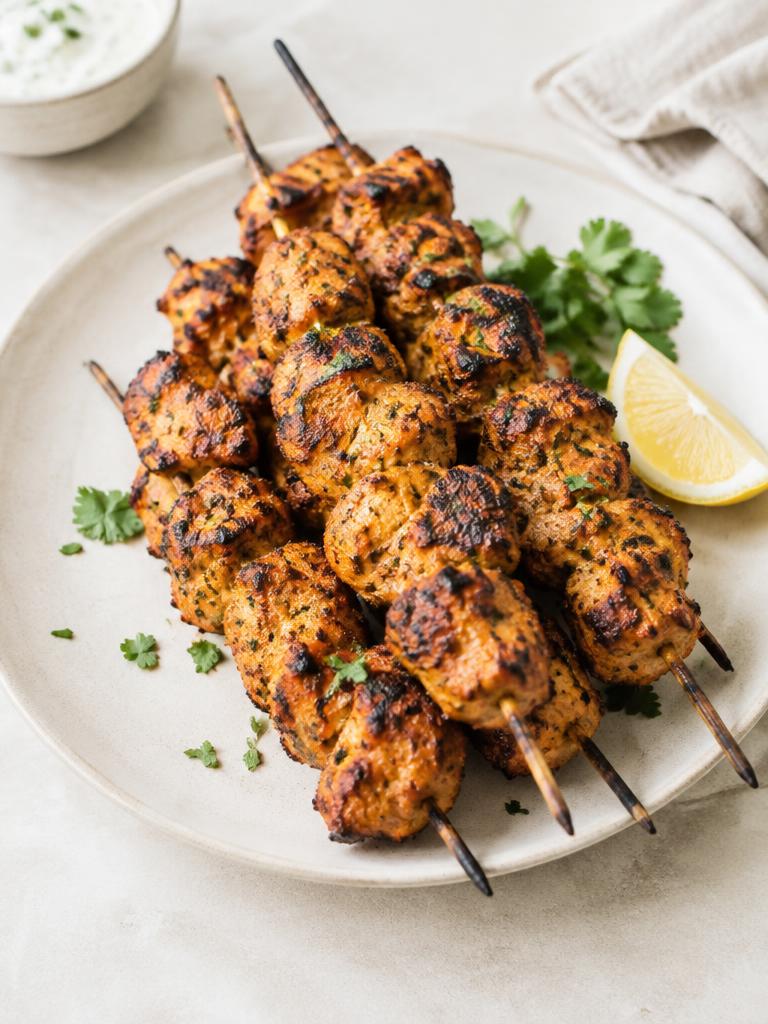
Chicken tikka (grilled)
tikka boti
Yogurt-marinated grilled chicken — a lean protein choice.
Portion: palm-size piece (about 100 g)
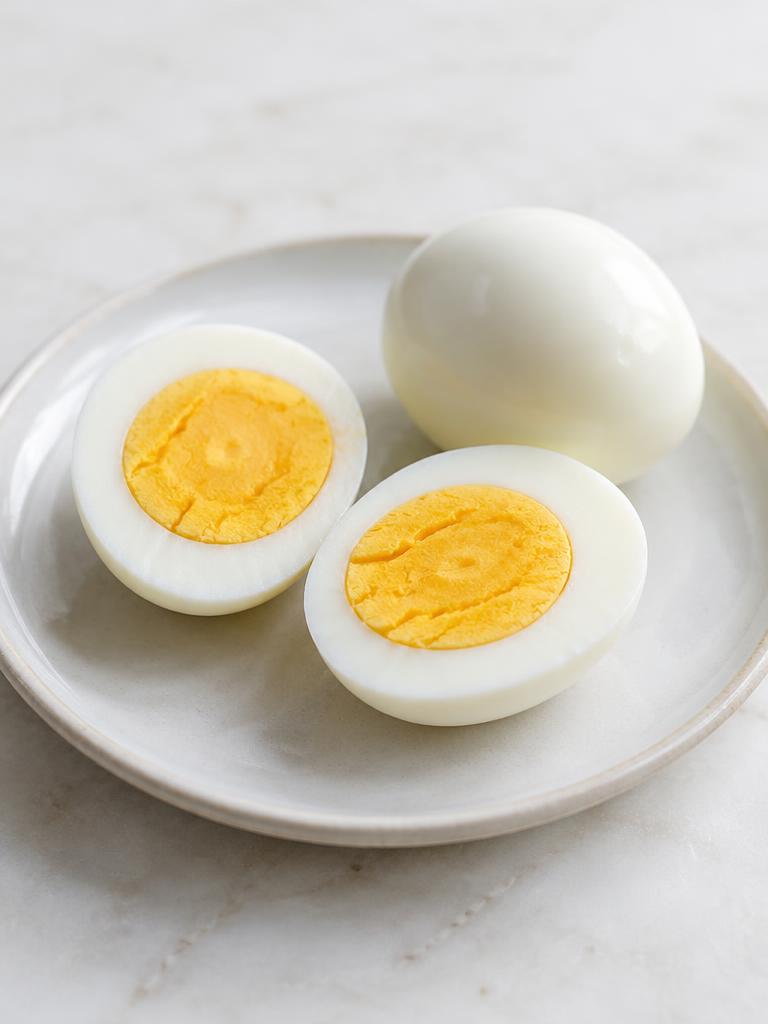
Egg (boiled)
anda, bayd, itlog
Almost no carbohydrate; high-quality protein.
Portion: 1 large egg (about 50 g)
Grilled bangus (milkfish)
inihaw na bangus
Oily fish rich in omega-3 — grill rather than fry.
Portion: 1 serving (about 120 g)
Educational information only — your own targets depend on your medicines and health. Compare with another food