
Diabetes Diet Plans
Diabetes Plate Model
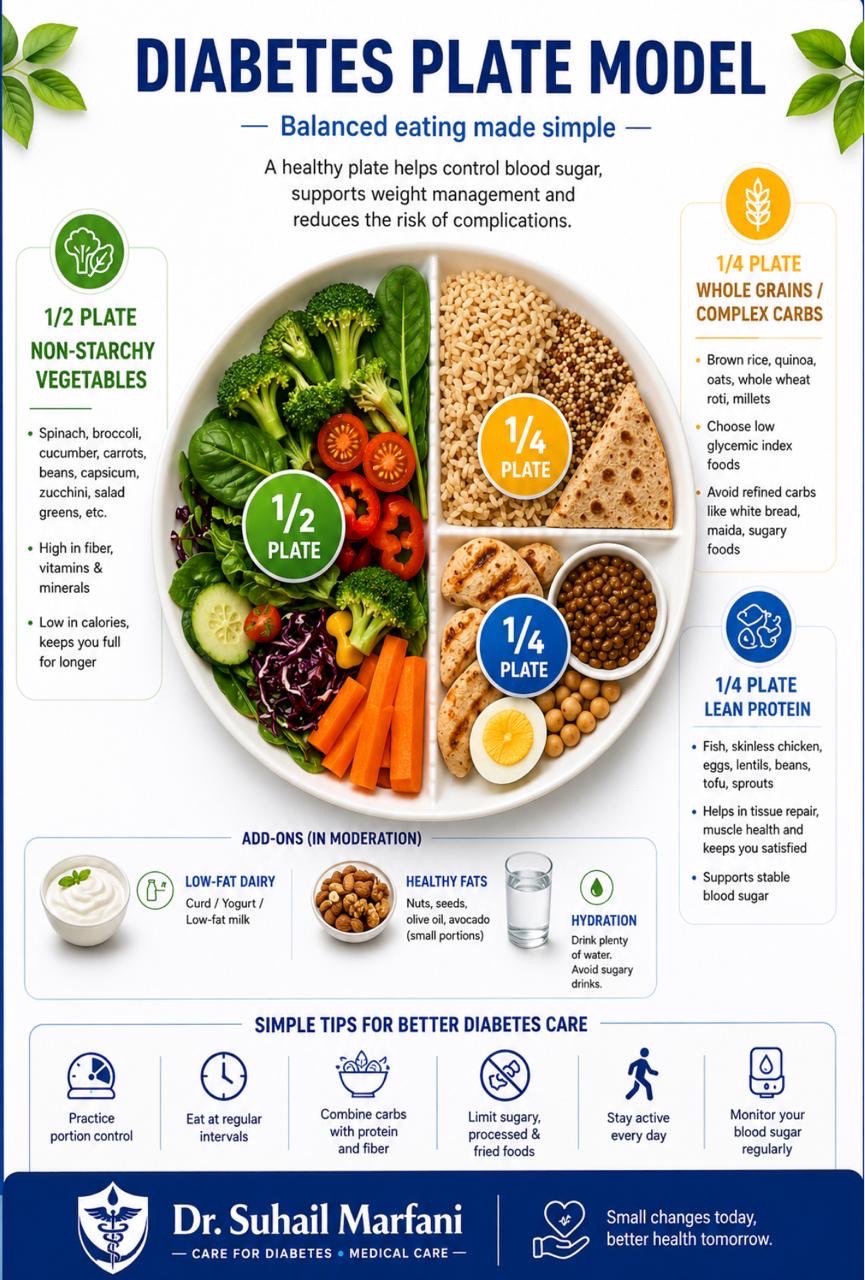
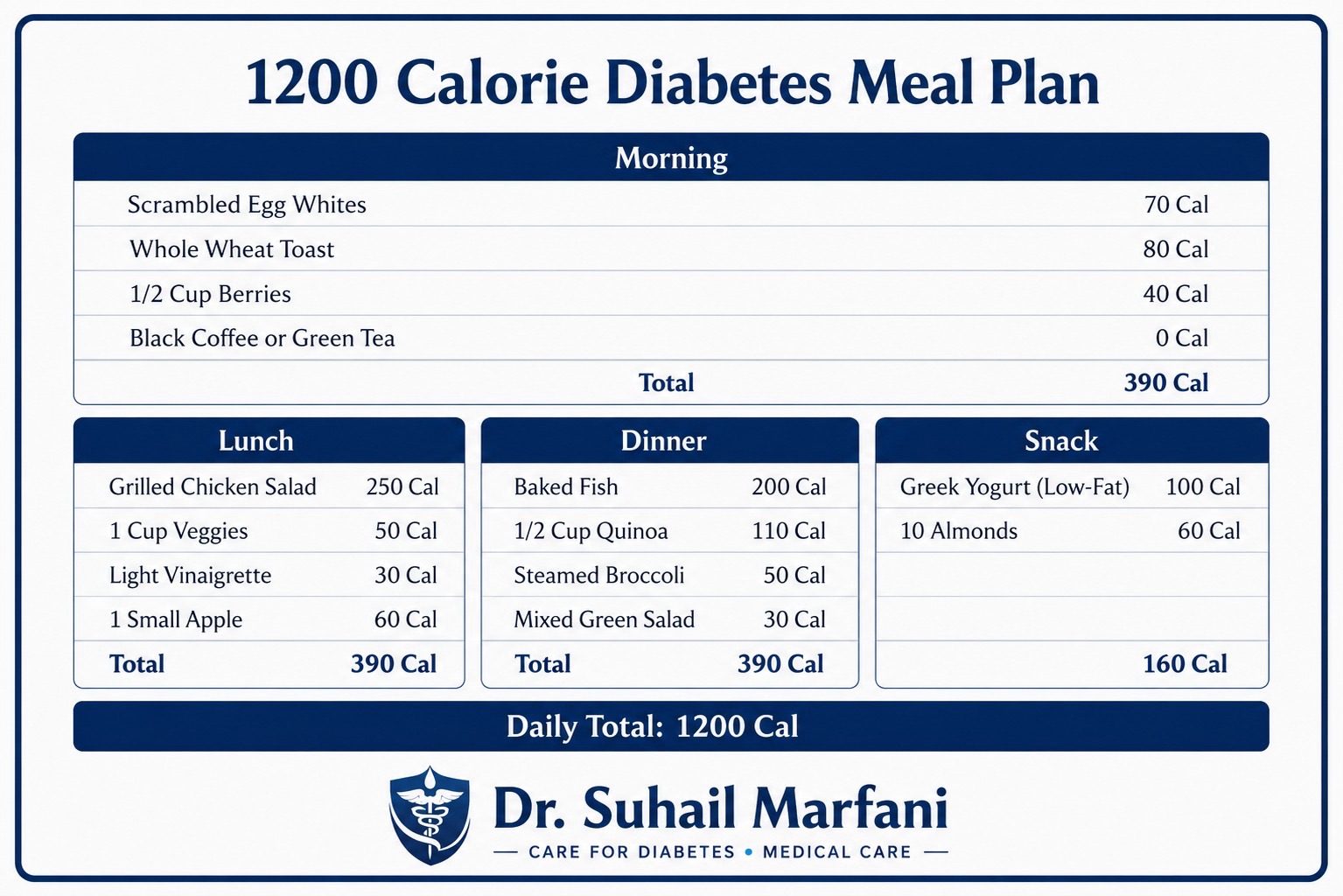
Calorie Based Diet Plan
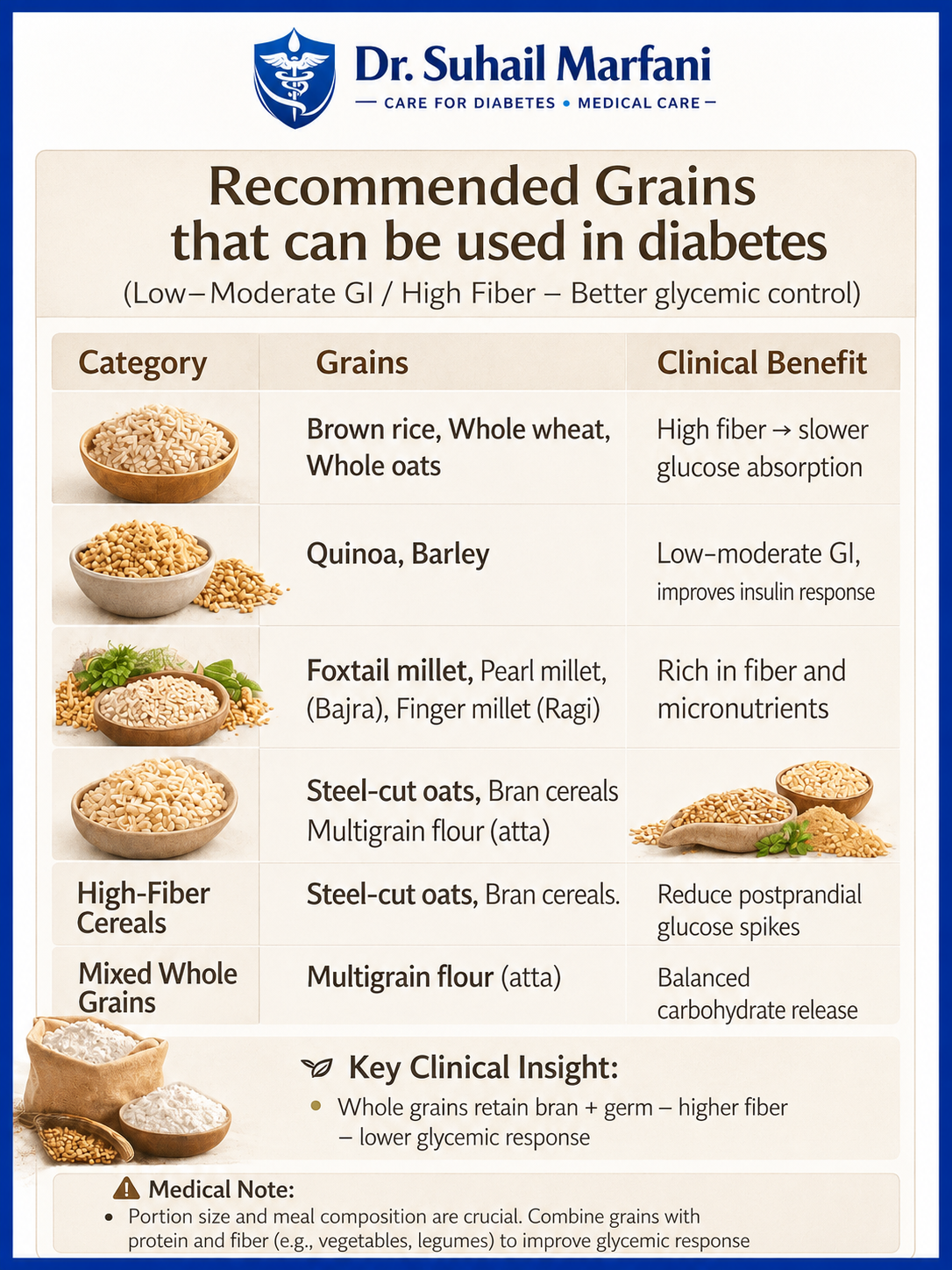
Grains In Diabetes
Recommended Grains For Diabetes
Low–Moderate Glycemic Index (GI) | High Fiber for Better Blood Sugar Control
Choosing the right grains plays a critical role in managing diabetes. Whole and high-fiber grains help slow glucose absorption, improve insulin response, and maintain stable blood sugar levels.
Key Practical Points:
- Whole grains retain bran and germ
- Higher fiber → Lower glycemic response
- Better long-term glucose control
- Portion size is crucial
Combine grains with:
- Protein (lentils, legumes)
- Fiber (vegetables)
Result:
Improved glycemic response and reduced glucose spikes
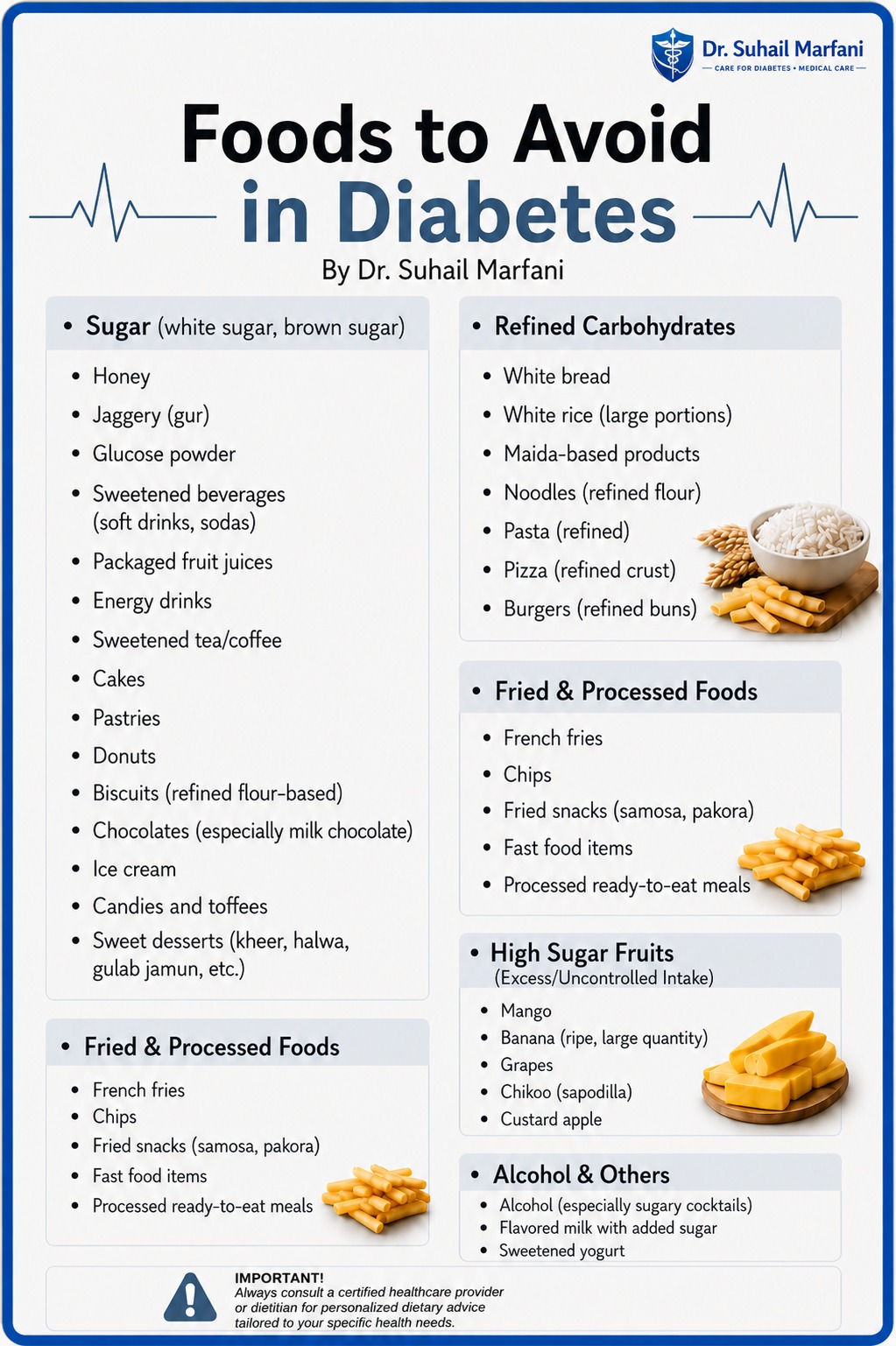
Grains To Avoid In Diabetes
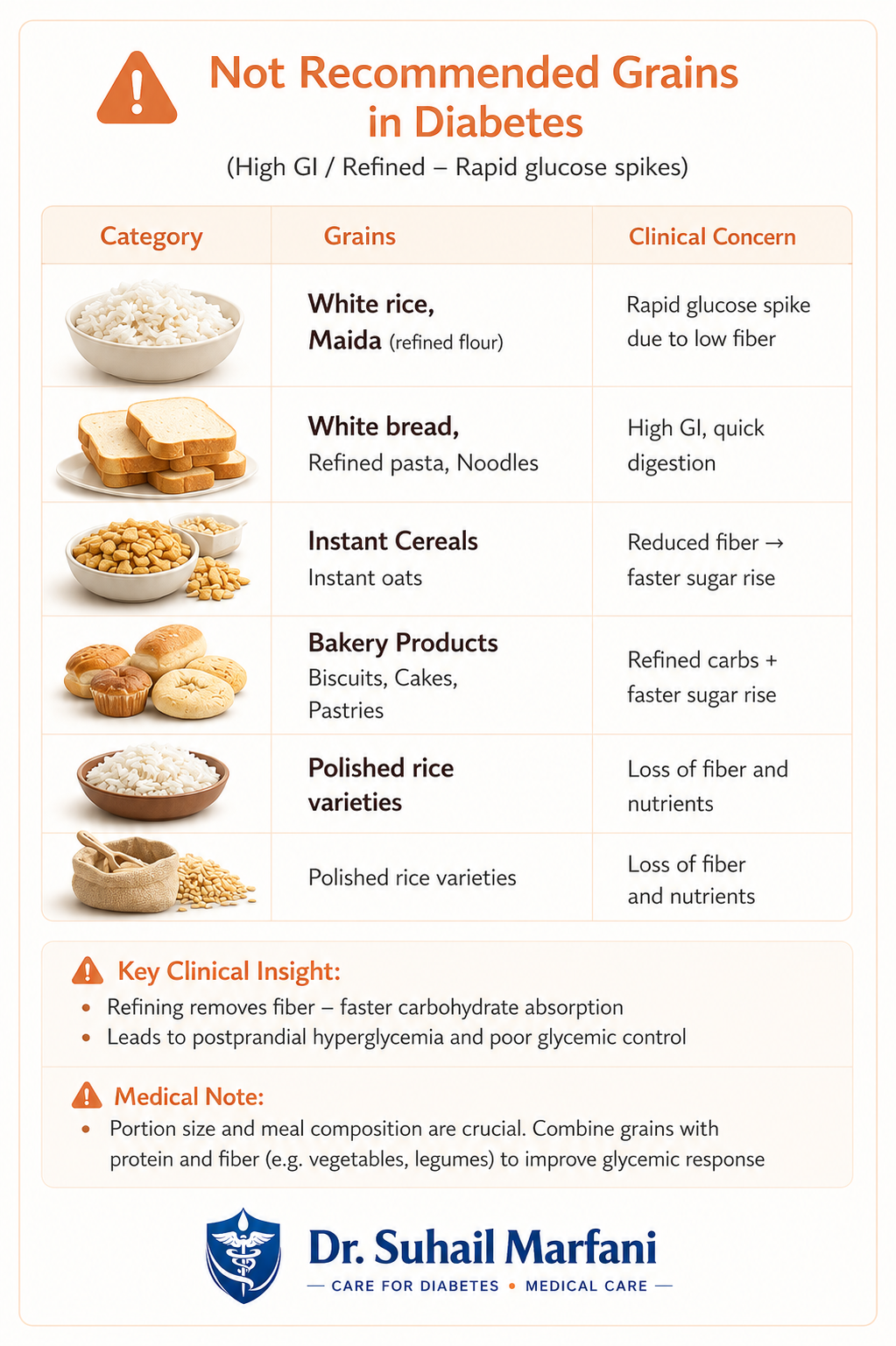
High glycaemic Index (GI) / Refined Grains:
Practical Pearls:
- Refining removes bran and fiber, leading to:
- Faster carbohydrate absorption
- Rapid post-meal blood sugar rise
- Increased risk of postprandial hyperglycaemia
- Poor long-term glycaemic control
- Portion size and meal composition are critical
- Combine carbohydrates (Grains) with:
- Protein (e.g., legumes, pulses)
- Fiber (e.g., vegetables)
This helps reduce glucose spikes and improve glycaemic response.
Fruits In Diabetes
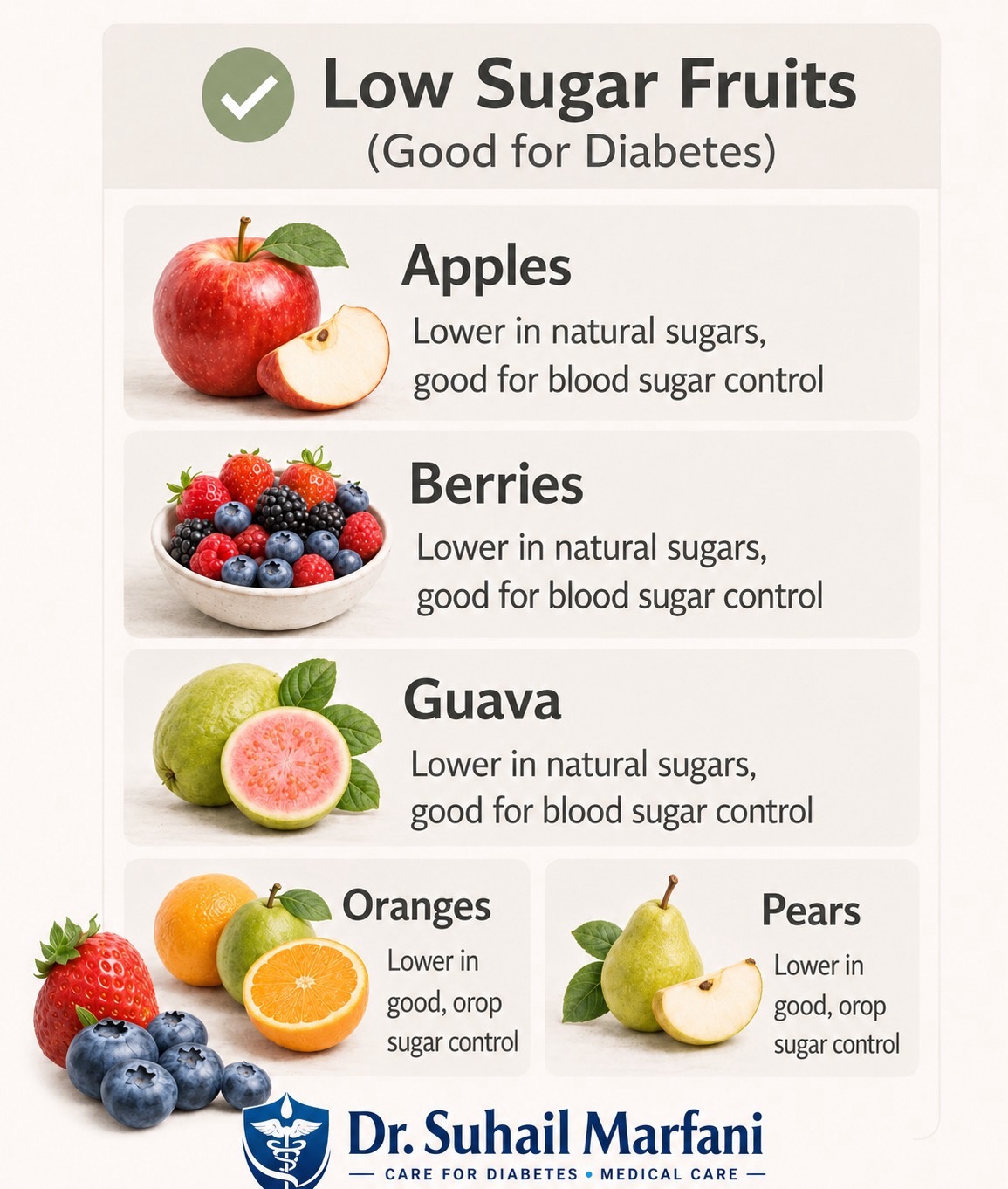
Recommended Fruits For Diabetes
Fruits are a valuable part of a balanced diabetes diet when chosen and consumed appropriately. They provide fiber, vitamins, antioxidants, and natural sugars, all of which support overall metabolic health.
Fruit Sugar vs White Sugar
The sugar in fruits (fructose) behaves differently from refined white sugar (sucrose):
- Whole fruits contain fiber, which slows sugar absorption and prevents sharp spikes in blood glucose
- White sugar is rapidly absorbed, leading to quick rises in blood glucose levels
- Fruits have a lower glycemic load when eaten whole, especially compared to sugary foods and beverages
In simple terms: fruit sugar is naturally packaged with nutrients and fiber, while white sugar is “empty calories” with rapid glucose impact.
Benefits of Including Fruits in Diabetes
Regular intake of appropriate fruits can:
- Improve glycemic control when taken in moderation
- Provide satiety, helping with weight management
- Reduce risk of cardiovascular disease
- Supply antioxidants that combat inflammation
- Support gut health due to fiber content
Smart Fruit Choices
Prefer:
- Low to moderate glycemic fruits (e.g., berries, apple, pear, guava, citrus fruits)
- Whole fruits instead of juices
- Controlled portions (1 serving at a time)
Avoid or limit:
- Fruit juices, dried fruits, and canned fruits with added sugar
Key Message
Fruits are not forbidden in diabetes. When eaten wisely, they are protective, nourishing, and beneficial-not harmful.
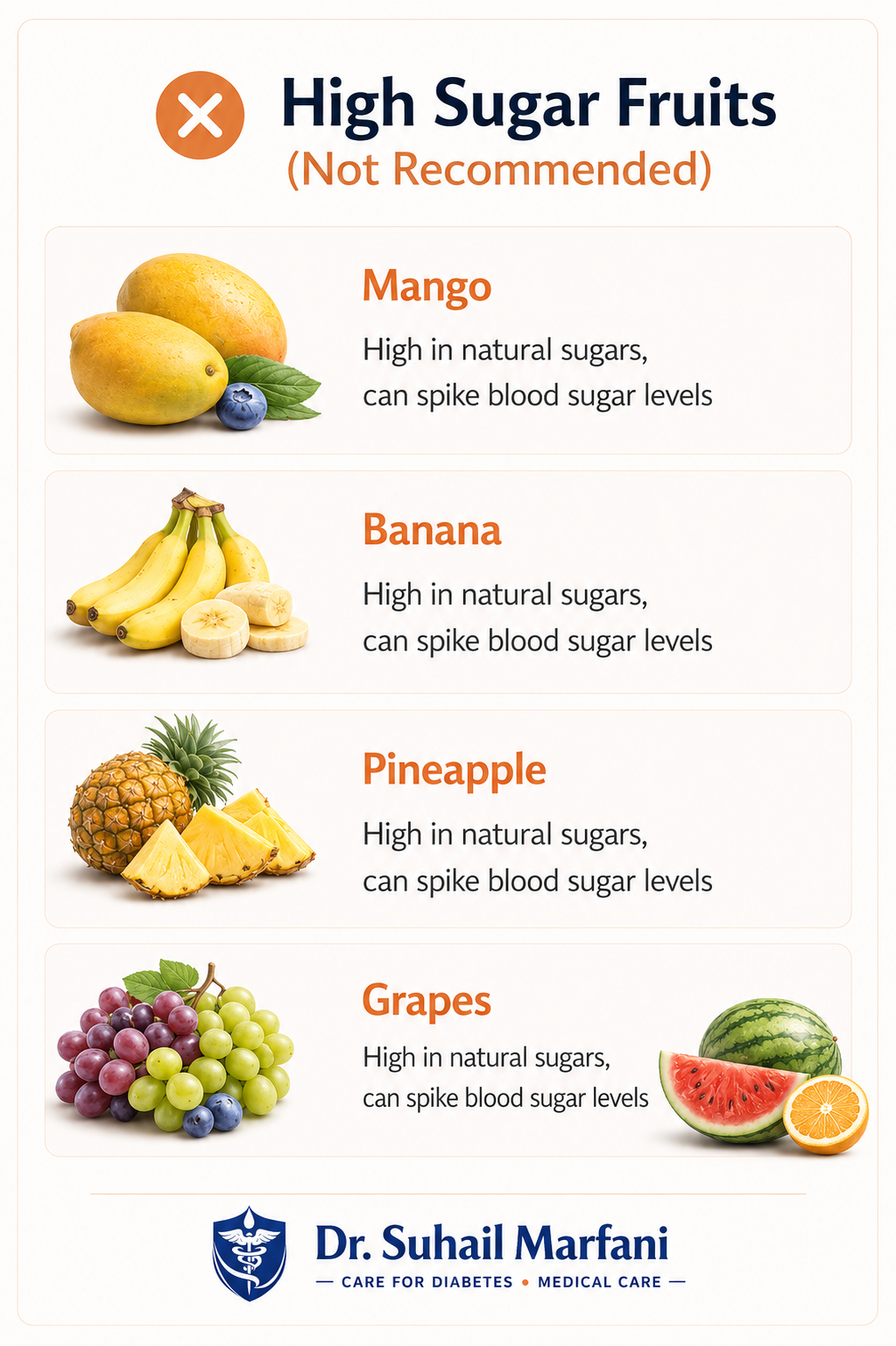
Fruits To Avoid In Diabetes
Fruits can be safely included in a diabetes diet when chosen wisely. They provide fiber, vitamins, and antioxidants that help maintain stable blood sugar and overall health.
Fruit Sugar vs White Sugar
- Fruit sugar is combined with fiber → slower absorption
- White sugar is rapidly absorbed → quick spikes
- Whole fruits have a lower glycemic impact
Limit These Fruits
Mango • Ripe Banana • Grapes • Pineapple • Chikoo • Dates
Practical Pearls
- Choose whole fruits (not juices)
- Keep 1 portion at a time
- Combine with nuts/protein
- Monitor blood sugar response
- Fruits are healthy, but the right choice and portion are essential for good diabetes control.
Vegetables In Diabetes
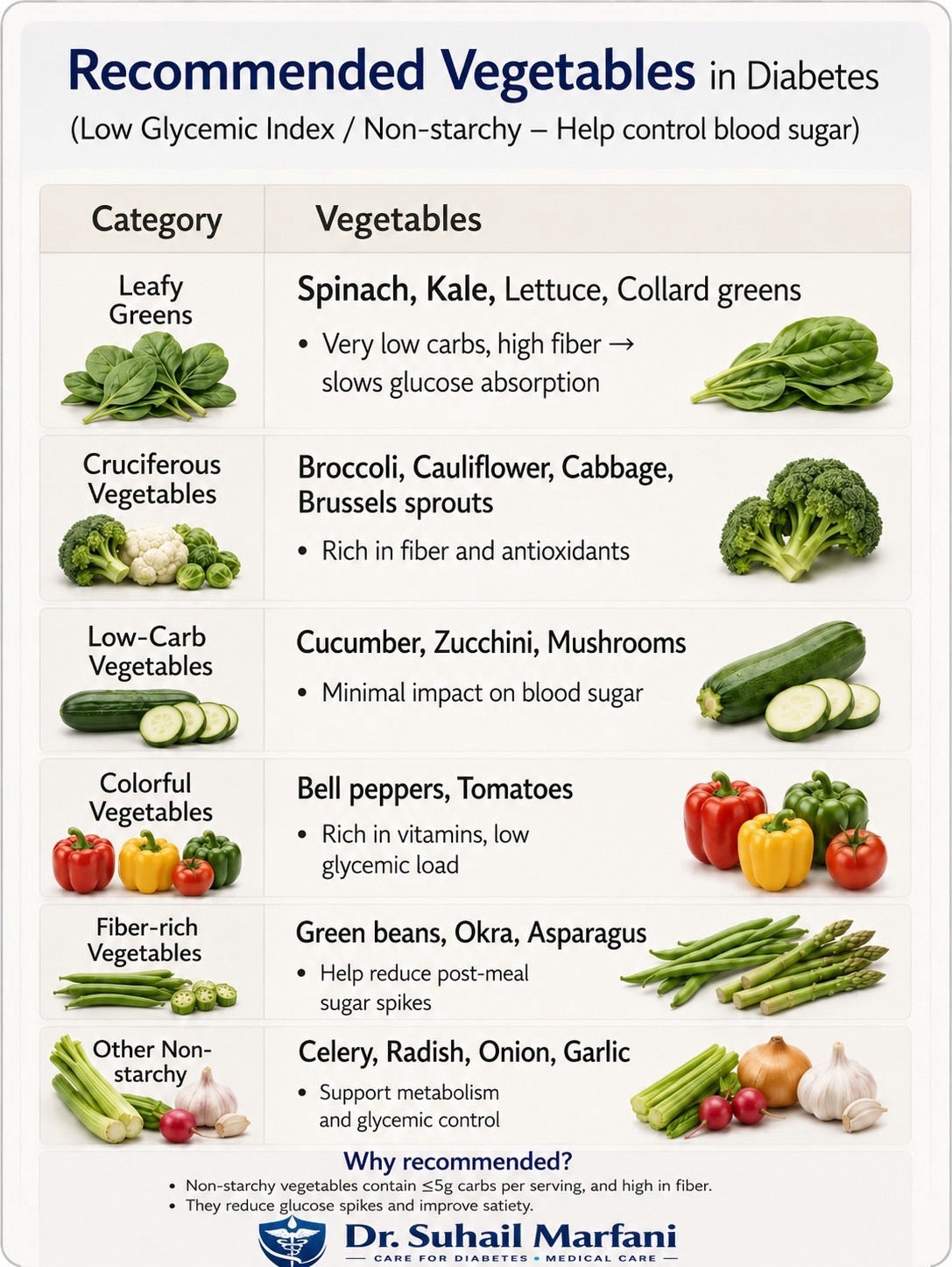
Recommended Vegetables For Diabetes
Vegetables are a cornerstone of diabetes nutrition. They are low in calories, rich in fiber, vitamins, minerals, and antioxidants, and help maintain stable blood glucose levels.
Why Vegetables Matter
- High fiber content slows glucose absorption
- Low glycemic impact helps prevent sugar spikes
- Promote satiety and weight control
- Support heart and metabolic health
- Choose the one with low carbohydrates and are ideal for regular use.
How to Choose Vegetables Wisely
- Prefer non-starchy vegetables for daily intake
- Fill half your plate with vegetables
- Choose fresh, steamed, or lightly cooked options
- Avoid deep-fried or creamy preparations
- Combine with protein for better glucose control
Practical Pearl
Vegetables are highly beneficial in diabetes, especially non-starchy types.
The right selection and preparation can significantly improve blood sugar control.
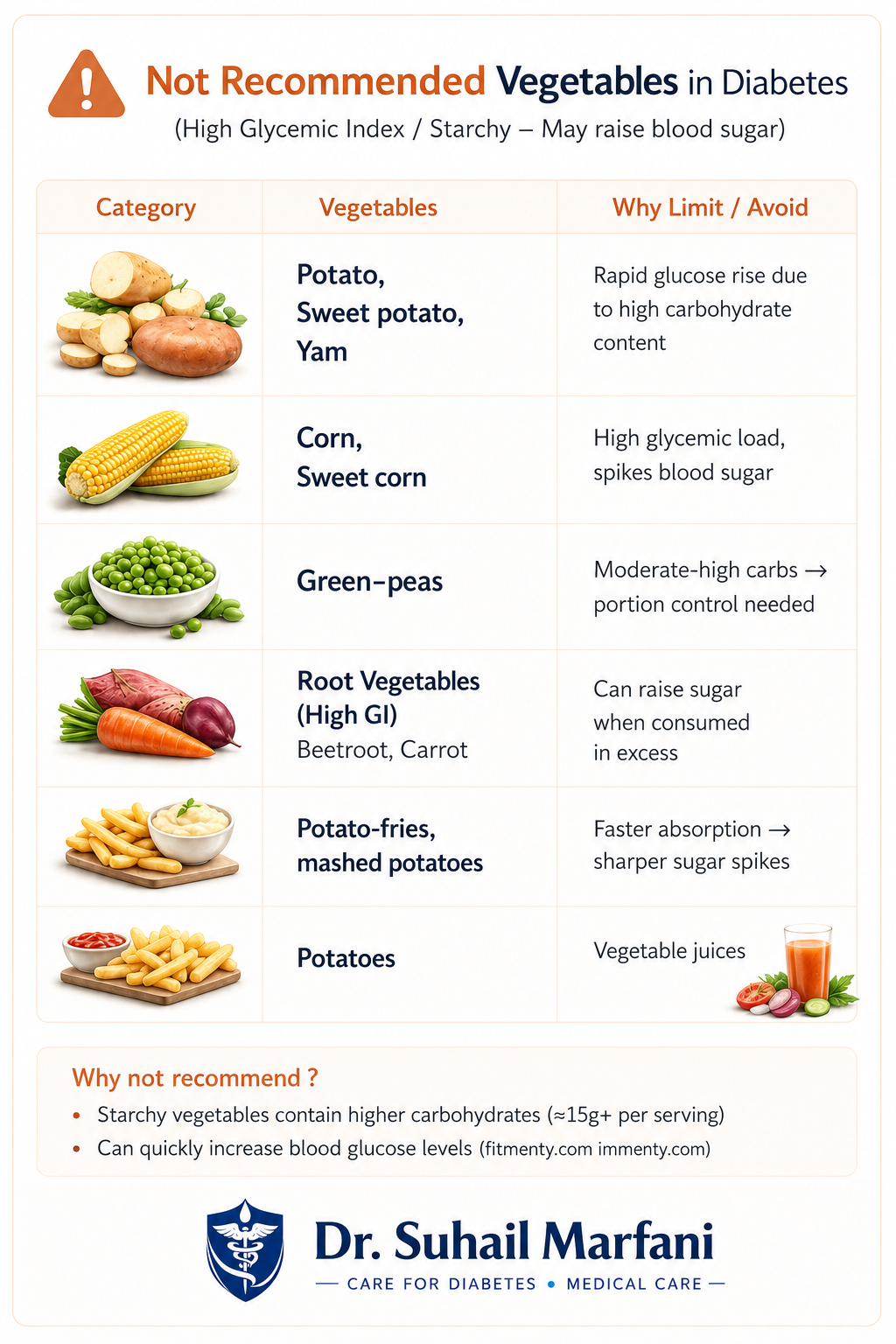
Vegetables To Avoid In Diabetes
Vegetables are a foundation of good diabetes control. They are rich in fiber, vitamins, and antioxidants, and help maintain steady blood glucose levels when included regularly.
Why Vegetables Help
- Fiber slows glucose absorption, reducing sugar spikes
- Most are low in calories and carbohydrates
- Improve satiety and weight management
- Support heart and metabolic health
How to Choose Vegetables Wisely
- Prefer non-starchy vegetables (leafy greens, gourds, cruciferous vegetables)
- Keep starchy vegetables occasional and in small portions
- Choose whole, fresh, or lightly cooked forms
- Avoid deep-fried, mashed, or creamy preparations
- Distribute vegetables evenly across meals
Key Message
Vegetables are highly beneficial in diabetes-but not all are equal.
Limit high-starch vegetables and focus on low-glycemic, fiber-rich options for optimal control.
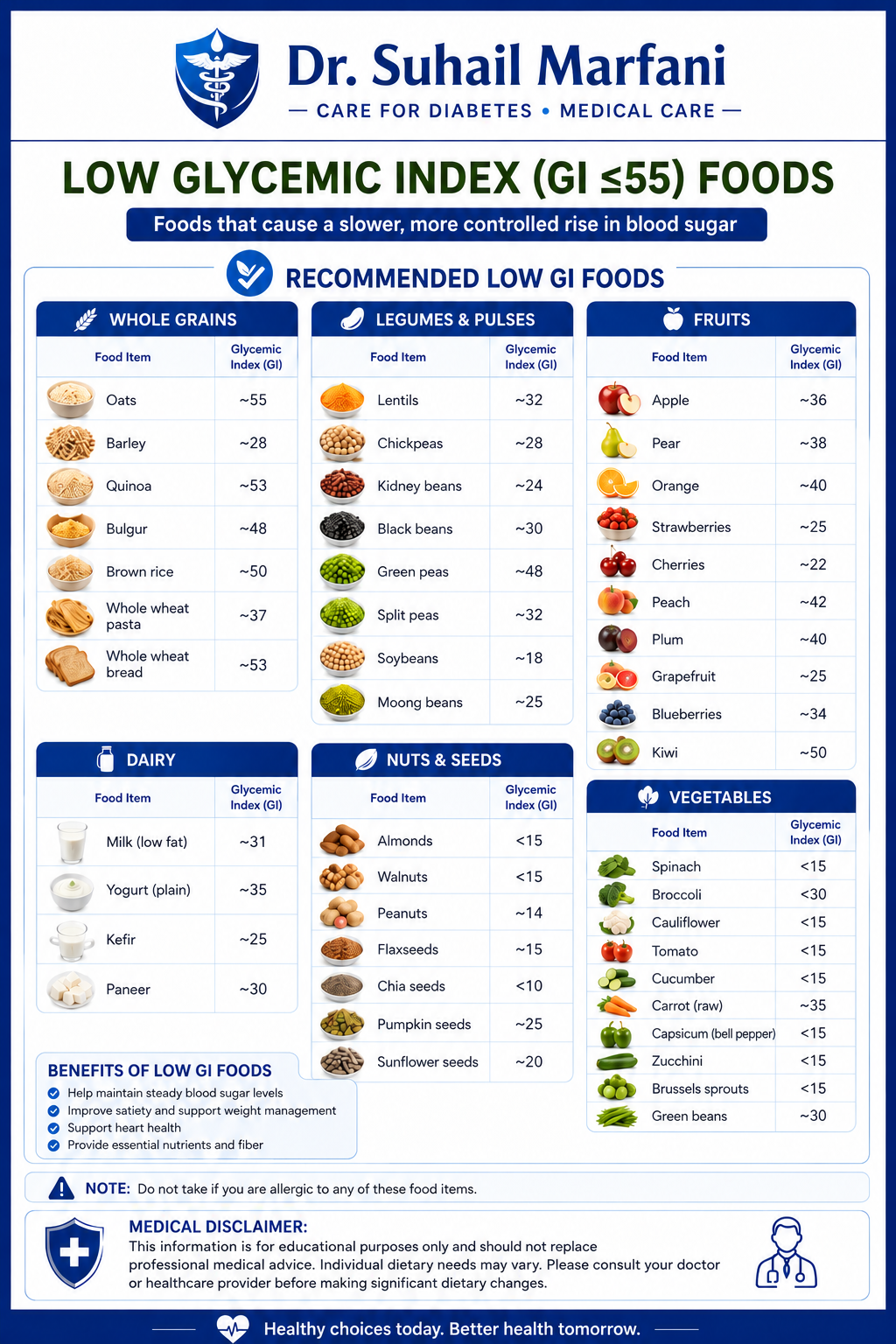
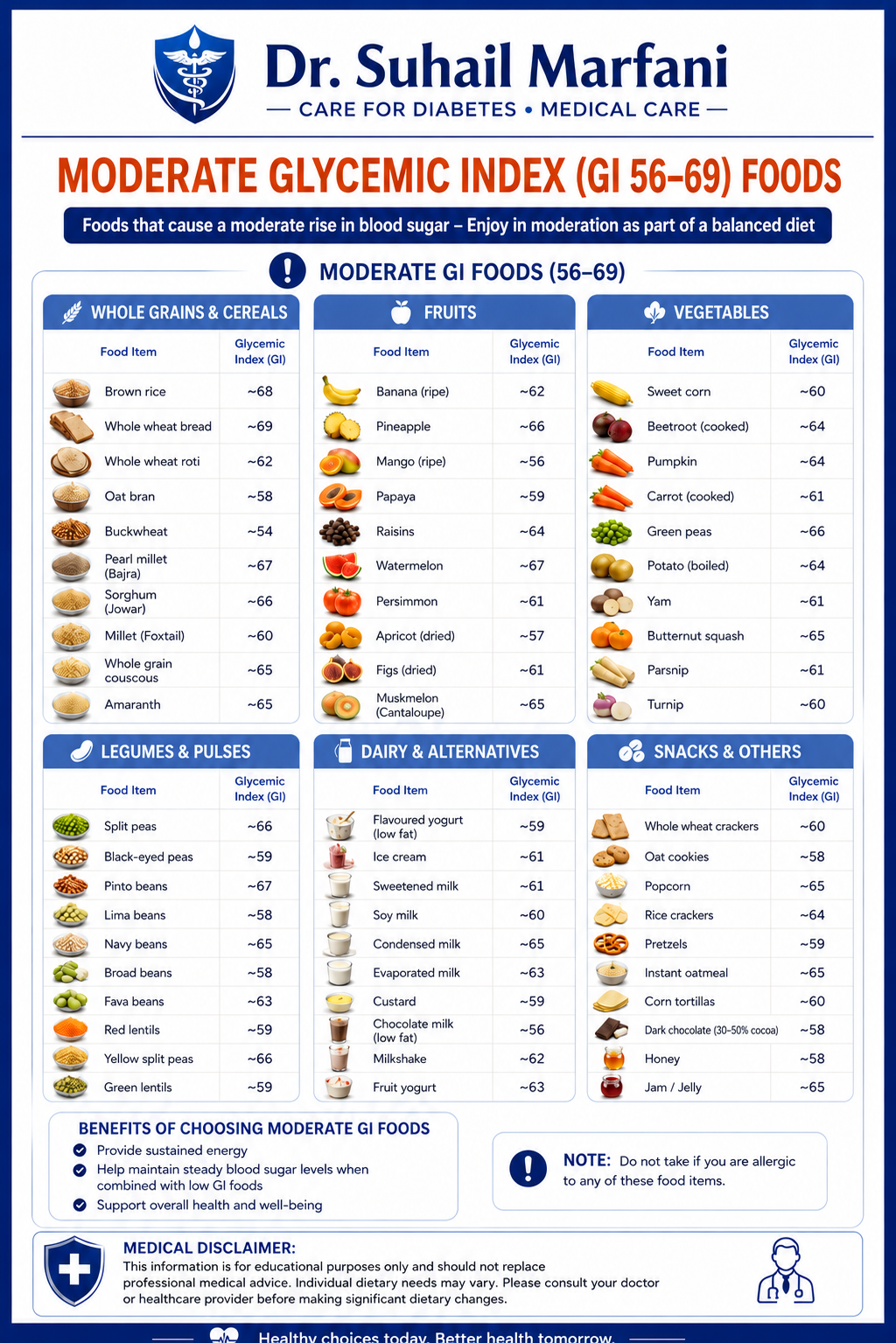
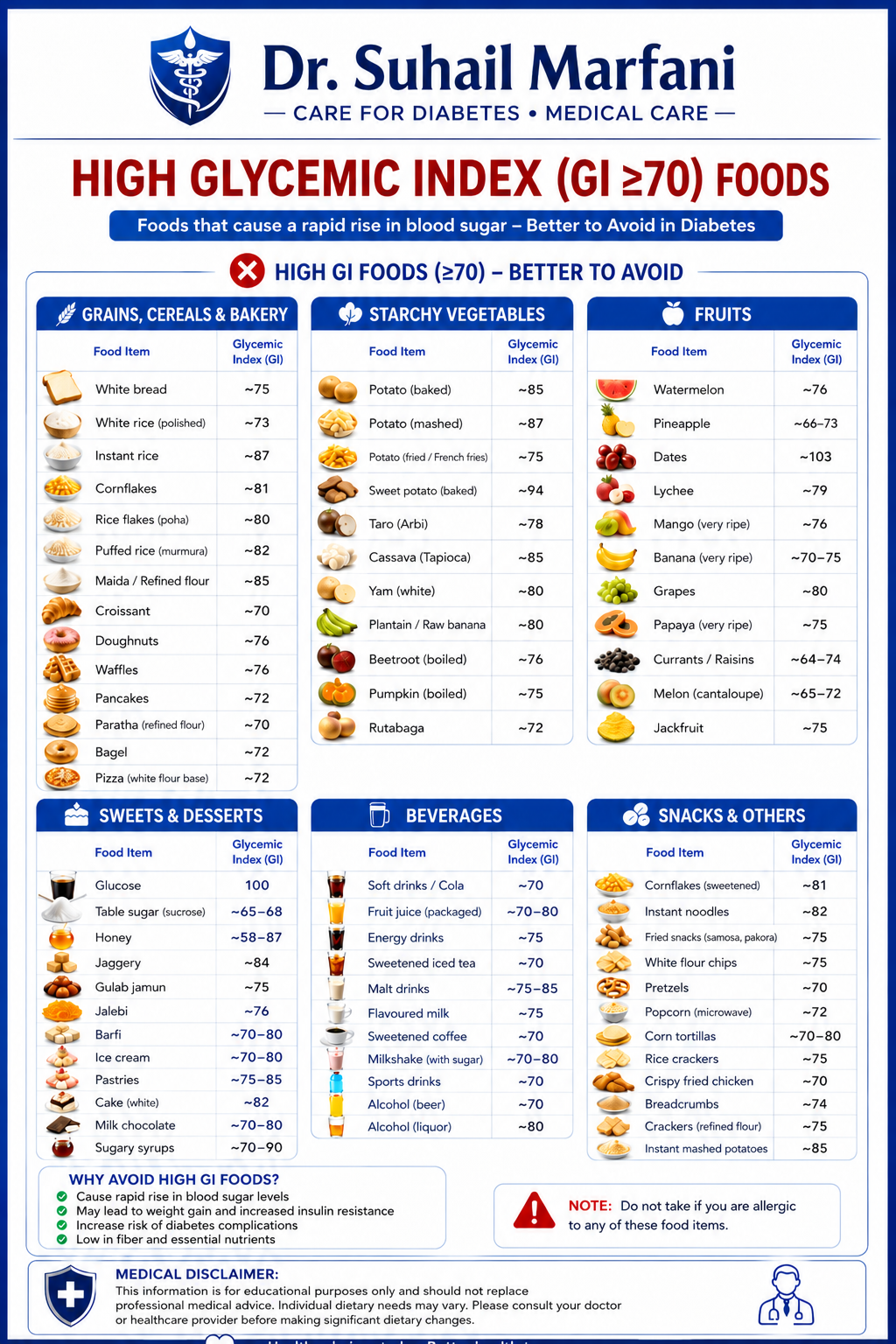
Glycemic Index(GI)
The Glycemic Index (GI) is a numerical scale that ranks carbohydrate-containing foods based on how quickly they raise blood glucose levels after consumption. It compares foods to pure glucose, which has a GI value of 100.
Foods with a higher GI are digested and absorbed rapidly, causing a quick spike in blood sugar, while lower GI foods are digested more slowly, leading to a gradual and sustained rise in glucose levels.
Glycemic Index Classification
| GI Value | Category | Effect on Blood Sugar |
|---|---|---|
| ≤ 55 | Low GI | Slow, steady rise |
| 56 – 69 | Medium GI | Moderate increase |
| ≥ 70 | High GI | Rapid spike |
Diabetic Food Plan (Day-Wise)
Based on less than 130 g carbohydrates per day
Weekly Diabetes-Friendly Meal Plan
Balanced low-carb nutrition plan for better glycemic control
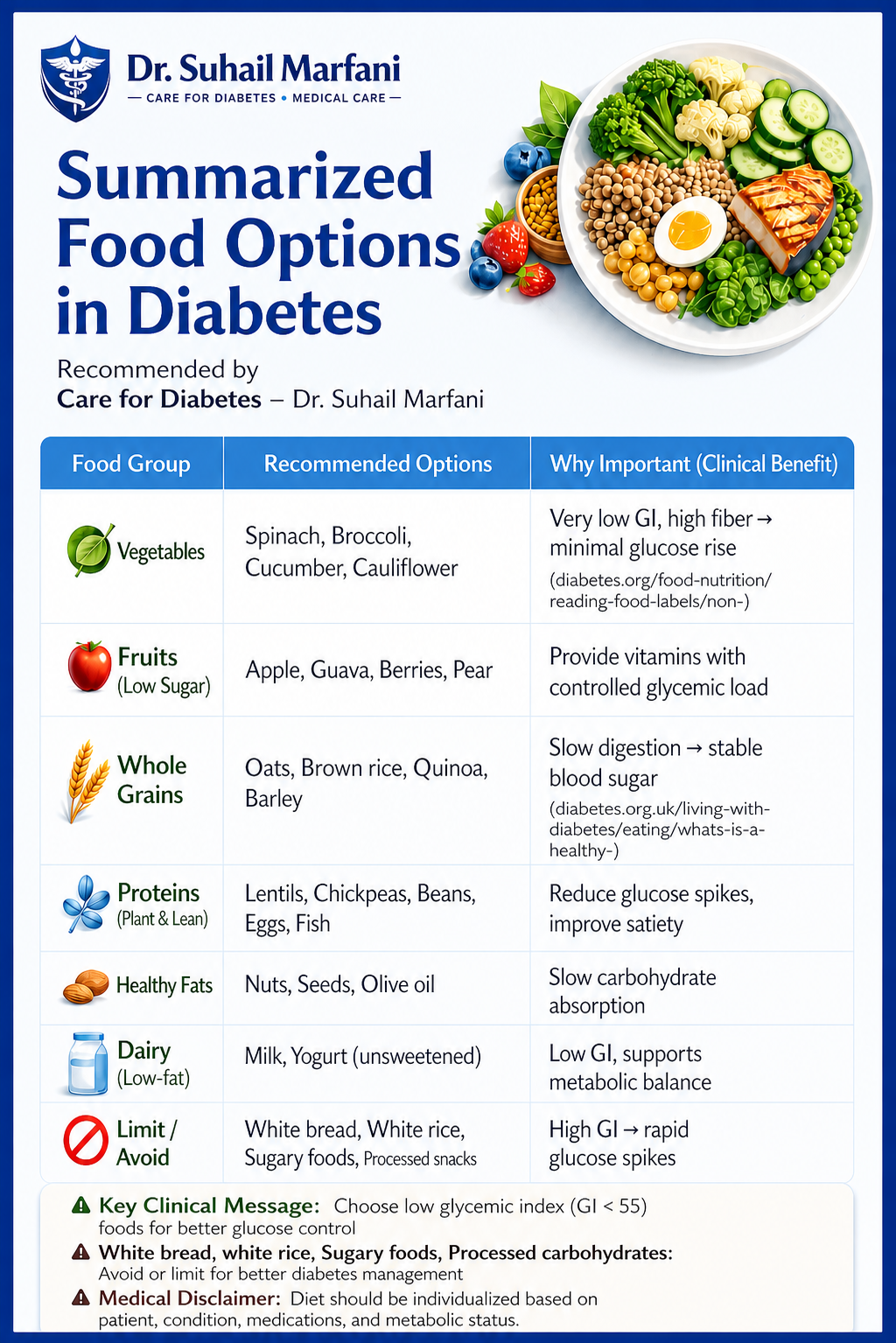
Monday BreakfastScrambled eggs, high-fiber toast, tea/coffee LunchBottle Gourd(Louki)/Ridge Gourd(Turai)+ chapatti DinnerHaleem + Whole Wheat Bread SnacksYogurt with fruit Total Carbs: ~73g Tuesday BreakfastEggs + Whole Wheat Roti LunchLamb roast + chapatti DinnerKeema + chapatti SnacksPapaya Total Carbs: ~61g Wednesday BreakfastEggs with vegetables LunchChicken + raita + chapatti DinnerDaal + rice + salad SnacksDry channa Total Carbs: ~86g Thursday BreakfastSpinnach Omelette/Scrambled Eggs LunchLamb kebabs + chapatti DinnerChicken curry + rice/cauliflower rice SnacksGuava/Peach Total Carbs: ~64g Friday BreakfastEgg bhurji LunchChicken wings + sweet potato DinnerVegetable curry + chapatti SnacksOrange Total Carbs: ~53g Saturday BreakfastBoiled eggs + vegetables LunchChickpea salad + raita DinnerPalak Chicken/Paneer + rice/cauliflower rice SnacksNuts Total Carbs: ~59g Sunday BreakfastEggs + Whole Wheat Roti LunchLamb roast + chapatti DinnerKeema + chapatti SnacksPapaya Total Carbs: ~61gMy Recommendations
Delivering evidence-based care and trusted medical education, with a focus on diabetes, chronic disease management, and preventive health. Simplifying complex medical information to empower informed patient decisions.
Menu
Contact Us
Email: support@drsuhailmarfani.com
Call 04 707 0999
Prime Medical Center – Al Qasimia
King Abdul Aziz Street, Al Nad, Sharjah, UAE