
High Cholesterol & Diet
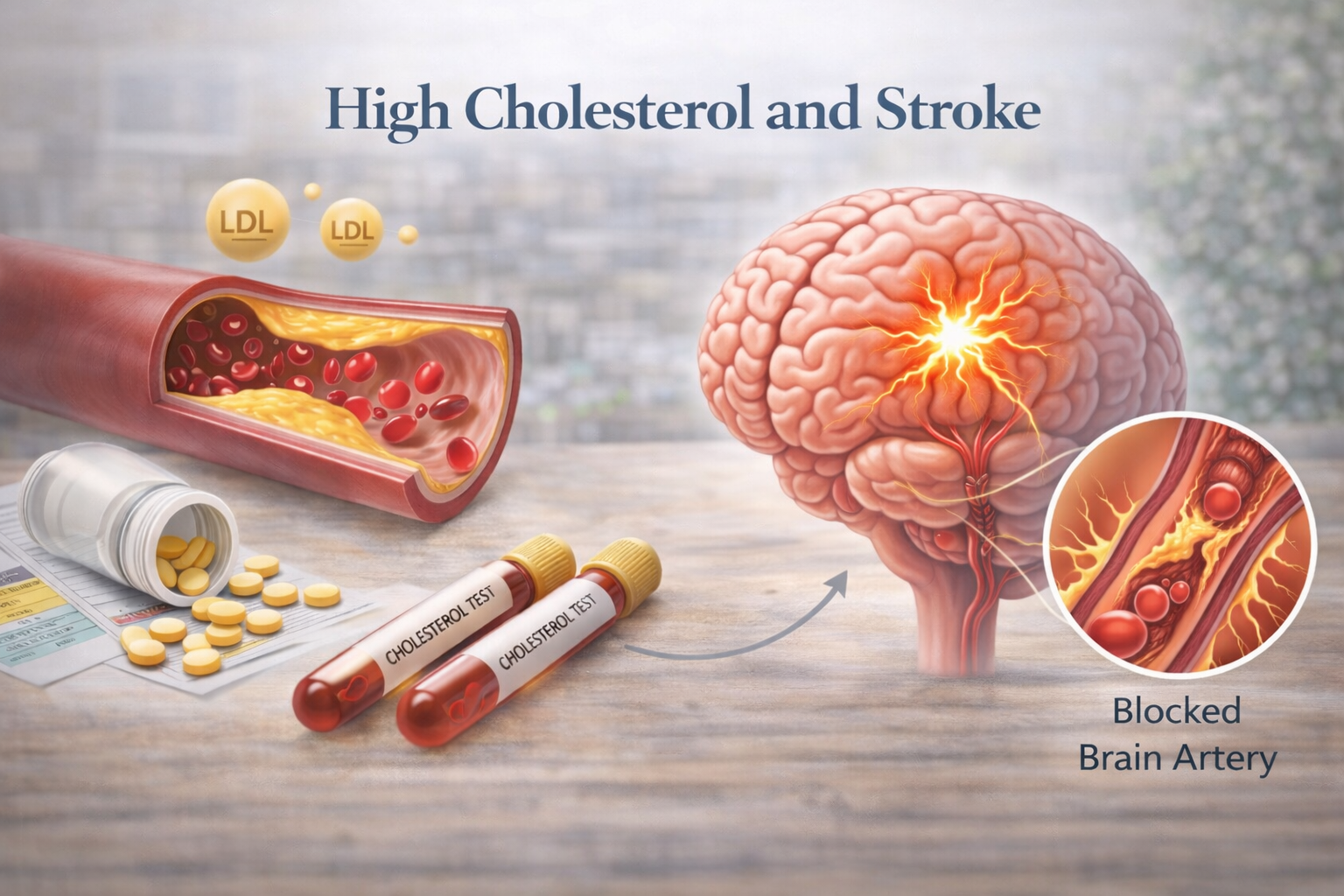
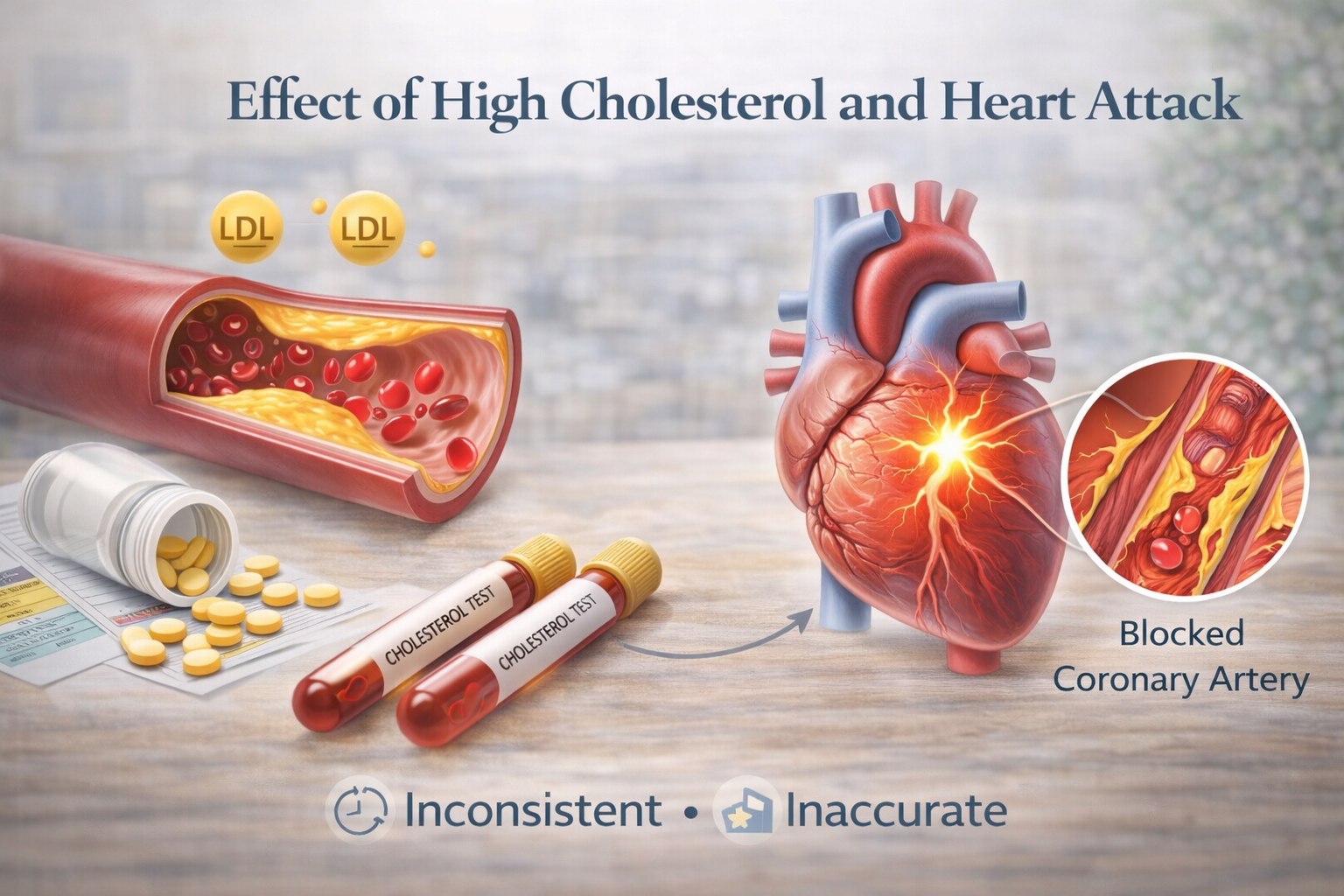
High cholesterol (hyperlipidemia) is a condition where there are increased levels of fats (lipids) in the blood. These include low-density lipoprotein (LDL), high-density lipoprotein (HDL), and triglycerides. Excess cholesterol can build up in blood vessels and increase the risk of heart disease.
Types of Cholesterol
- LDL (Bad Cholesterol): Can block arteries
- HDL (Good Cholesterol): Helps remove excess cholesterol
- Triglycerides: Another type of fat linked to heart risk
- Total Cholesterol: Overall level in the blood
Clinical Features
Most people have no symptoms. In some cases:
- Fatigue
- Chest discomfort (late stage)
- Fat deposits on skin (xanthomas, rare)
When to Get Tested
- Age above 35 years
- Family history of diabetes
- Overweight or inactive lifestyle
- High blood pressure or cholesterol
Regular screening helps early diagnosis.
When to Check Cholesterol
- Age above 30 years
- Diabetes or hypertension
- Overweight or sedentary lifestyle
- Family history of heart disease
- Smoking
- Regular screening is essential as the condition is usually silent.
Brief History (Development)
High cholesterol develops gradually due to poor diet, lack of exercise, genetic factors, and associated conditions like diabetes. Over time, it leads to plaque formation in arteries.
Management Plan
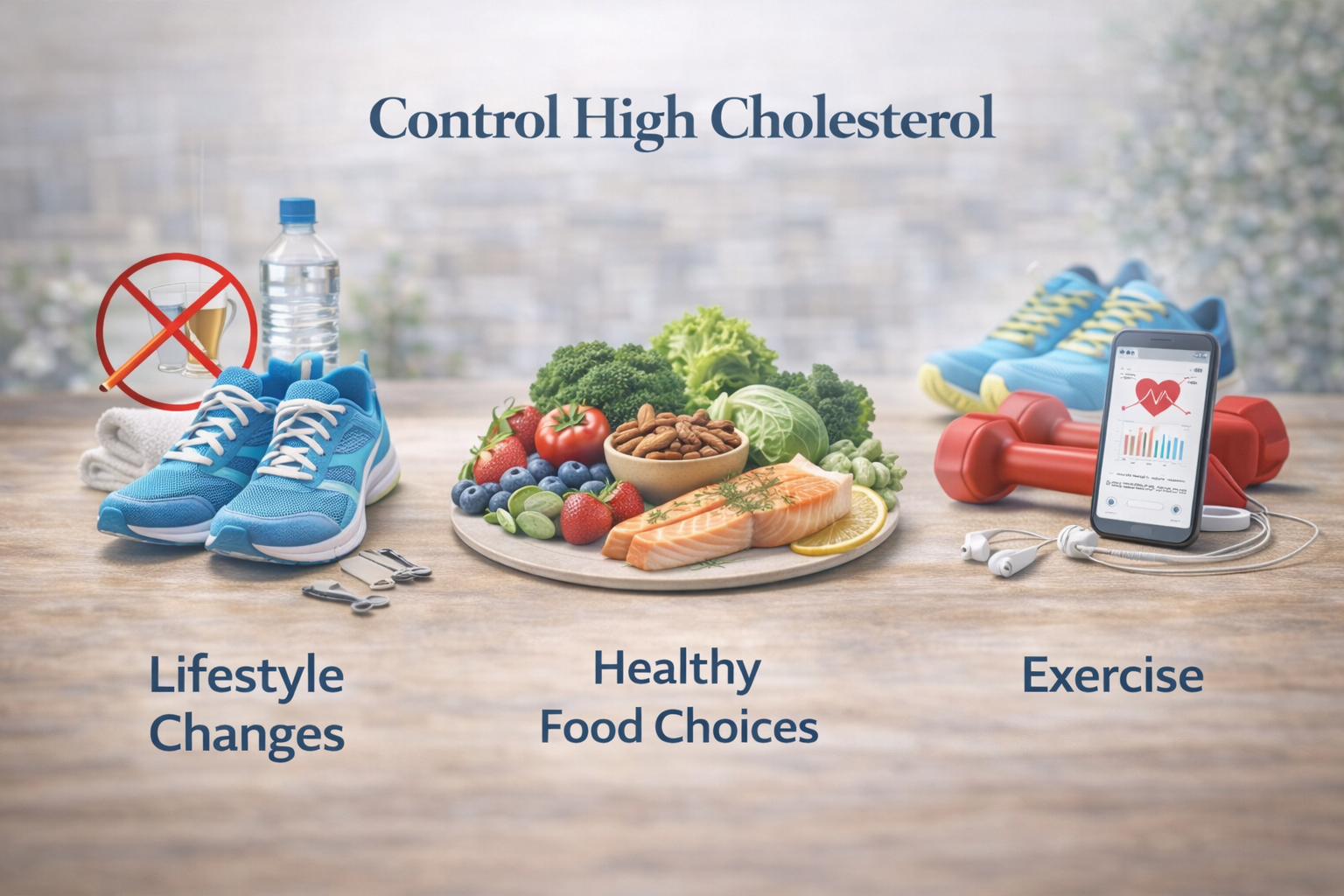
- Lifestyle Changes: Healthy diet, reduced saturated fats, exercise
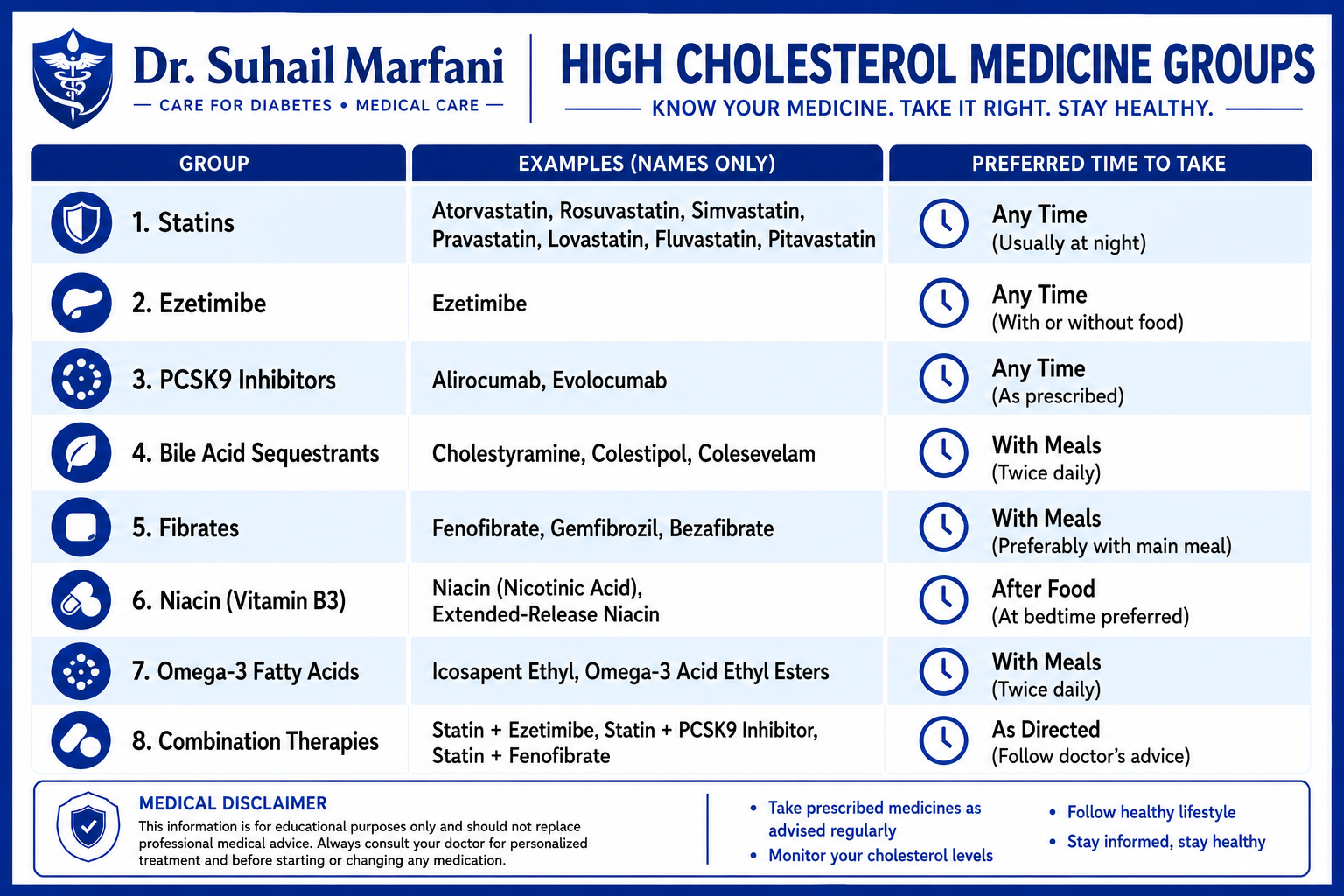
- Medications: Statins or other lipid-lowering drugs if required
- Weight Control: Essential for long-term management
- Regular Follow-up
Complications
- Heart disease
- Stroke
- Peripheral artery disease
Monitoring
- Lipid profile every 6–12 months
- Blood sugar and blood pressure
- Risk assessment based on comorbidities
Cholesterol Levels (Normal & Targets)
| Type | Normal Level | Target (General) | Target (Diabetes/Heart Disease) |
|---|---|---|---|
| Total Cholesterol | <200 mg/dL | <200 | <180 |
| LDL (Bad) | <100 mg/dL | <100 | <70 (or <55 high risk) |
| HDL (Good) | >40 (men), >50 (women) | Higher is better | Higher is better |
| Triglycerides | <150 mg/dL | <150 | <150 |
Future and Advancements
- Personalized lipid management
- New injectable therapies (PCSK9 inhibitors)
- Better risk prediction tools
- Integration with diabetes and heart care programs
- **Looking For: High Cholesterol Doctor in Sharjah, Specialist doctor in Sharjah, High CHolesterol treatment in Sharjah, Internal Medicine Specialist Doctor in Sharjah, Doctor in Sharjah.
- Frequently Asked Questions about High Cholesterol:
- 1. What is cholesterol?
- Cholesterol is a fatty substance found in the blood that is needed for normal body functions.
- 2. Why is high cholesterol a concern?
- High cholesterol can lead to plaque buildup in arteries, increasing the risk of heart attack and stroke.
- 3. What causes high cholesterol?
- Causes include unhealthy diet, obesity, lack of exercise, genetics, diabetes, and certain medical conditions.
- 4. Can high cholesterol be lowered naturally?
- Yes. A healthy diet, regular physical activity, weight management, and avoiding smoking can help lower cholesterol.
- 5. When are cholesterol-lowering medicines needed?
- Medications may be recommended when lifestyle changes alone are insufficient or when cardiovascular risk is high.
High Cholesterol Medicine Classes
Delivering evidence-based care and trusted medical education, with a focus on diabetes, chronic disease management, and preventive health. Simplifying complex medical information to empower informed patient decisions.
Menu
Contact Us
Email: support@drsuhailmarfani.com
Call 04 707 0999
Prime Medical Center – Al Qasimia
King Abdul Aziz Street, Al Nad, Sharjah, UAE