
Fresh coconut meat (buko)
Also known as: coconut flesh, thengai
Fine to eat — keep the portion small and pair with protein or vegetables.
Low in sugar but high in saturated fat.
Portion guide
2 tablespoons (about 40 g)
Educational guidance only — not a personal diet prescription. Content is medically reviewed and based on recognised clinical guidelines — see references. If you have feedback or a suggestion to improve this website, .
Nutrition per 2 tablespoons
| Calories | 140 kcal |
|---|---|
| Total carbohydrates | 6 g |
| Protein | 1.3 g |
| Fat | 13.4 g |
| Fibre | 3.6 g |
| Sugars | 2.5 g |
No reliable GI value published for this food.
Better ways to cook it
- Eat whole fruit rather than juice
- Pair with nuts or yogurt
Practical advice
- Keep the portion small
- Eat it with vegetables and protein
Detailed clinical explanation
Contains a meaningful carbohydrate load; portion size, cooking method and food pairing determine the glucose response.
Scientific references
- USDA FoodData Central — values for the stated portion.
- American Diabetes Association. Standards of Care in Diabetes — Facilitating Positive Health Behaviors (nutrition therapy).
Last medically reviewed: 3 November 2026
Related foods
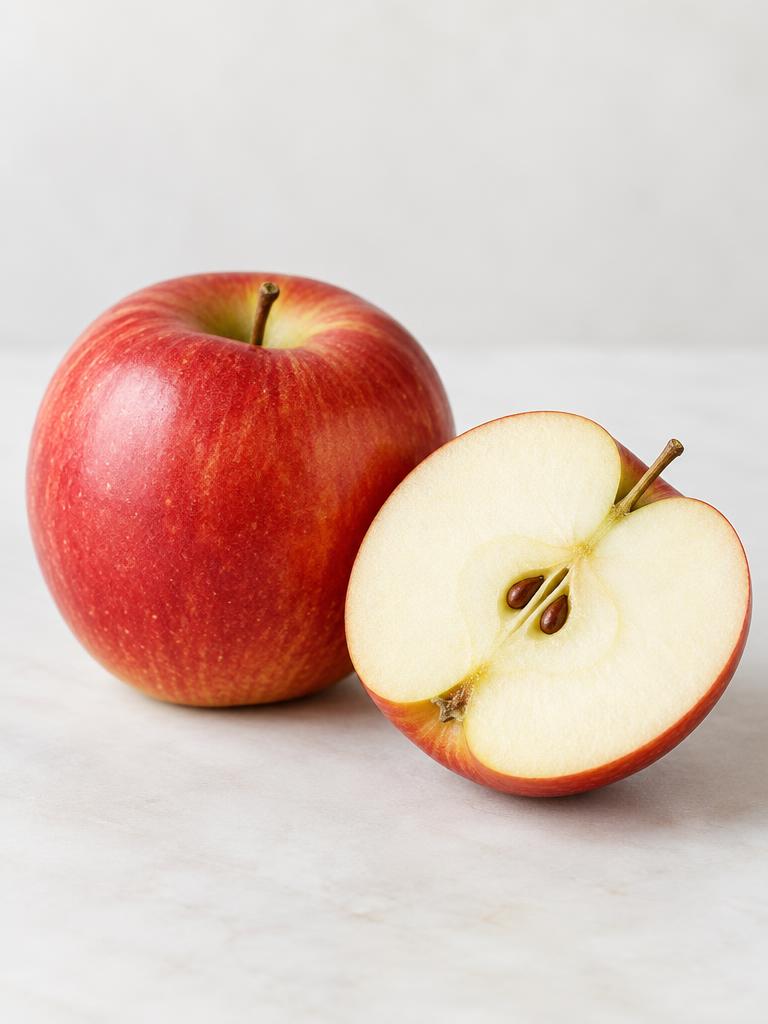
Apple
mansanas, seb, tuffah
Whole apple with skin gives fibre and a modest glucose rise.
Portion: 1 small (about 150 g)
Avocado
abukado, butter fruit
Healthy fats and very little sugar.
Portion: ¼ fruit (about 50 g)
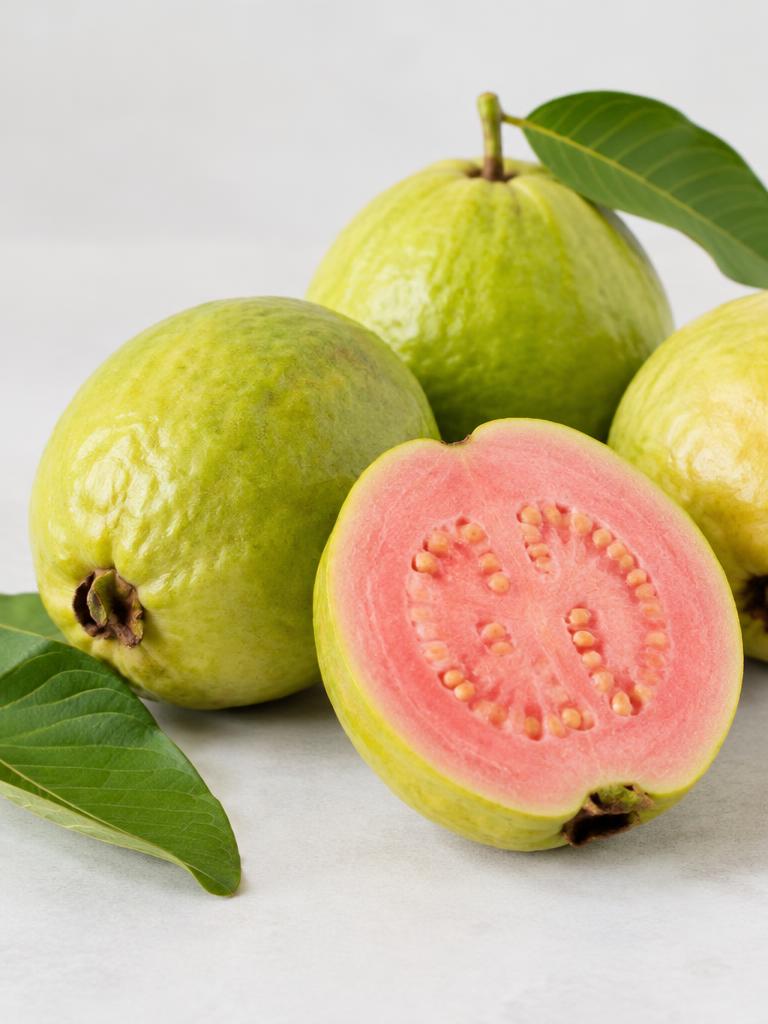
Guava
amrood, bayabas, peru
High in fibre and vitamin C with relatively little sugar.
Portion: 1 medium (about 100 g)
Educational information only — your own targets depend on your medicines and health. Compare with another food