
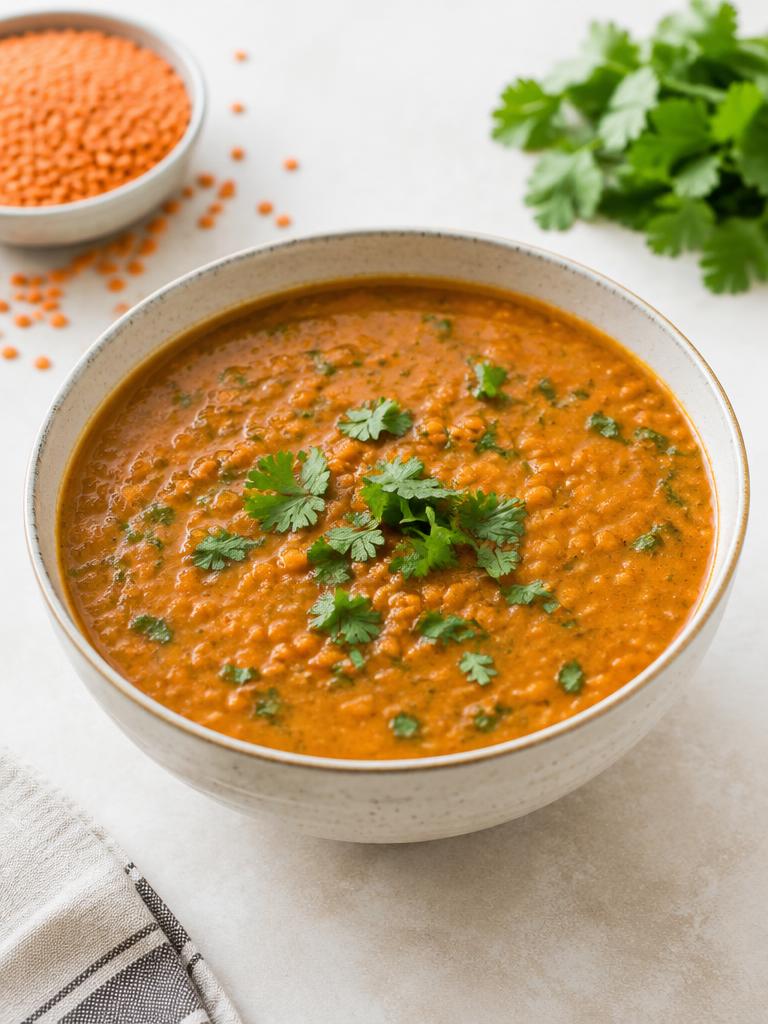
Masoor dal (red lentils)
Also known as: adas, lal masoor
Generally a good everyday choice in sensible portions.
Protein and fibre together — a cornerstone food for diabetes.
Portion guide
1 cup cooked (about 200 g)
Educational guidance only — not a personal diet prescription. Content is medically reviewed and based on recognised clinical guidelines — see references. If you have feedback or a suggestion to improve this website, .
Nutrition per 1 cup cooked
| Calories | 232 kcal |
|---|---|
| Total carbohydrates | 40 g |
| Protein | 18 g |
| Fat | 0.8 g |
| Fibre | 16 g |
Glycaemic index (GI): 32
Better ways to cook it
- Use minimal oil in the tadka
- Pair with vegetables and a small grain portion
Practical advice
- A good everyday choice in sensible portions
Detailed clinical explanation
Low glycaemic impact at the stated portion because of fibre, protein or low carbohydrate content.
Scientific references
- USDA FoodData Central — values for the stated portion.
- American Diabetes Association. Standards of Care in Diabetes — Facilitating Positive Health Behaviors (nutrition therapy).
- Atkinson FS et al. International tables of glycemic index and glycemic load values 2021. Am J Clin Nutr. 2021;114(5):1625-1632.
Last medically reviewed: 3 November 2026
Related foods
Besan chilla
gram flour pancake, pudla
Protein-rich savoury pancake — a great breakfast.
Portion: 1 large (about 80 g)
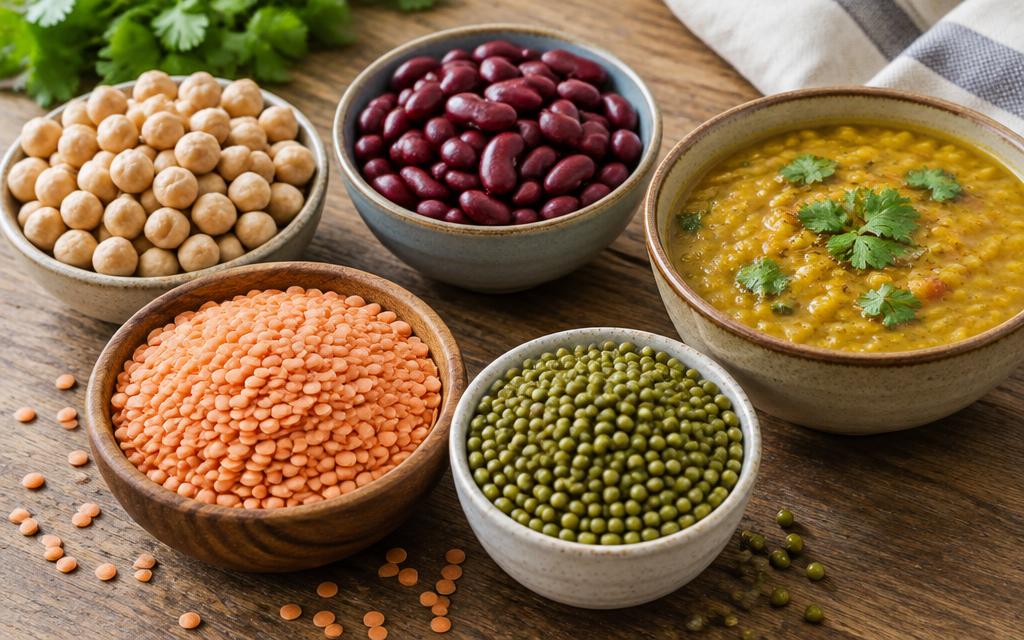
Chana dal
bengal gram dal, daal chana
High-fibre split chickpea dal with a gentle glucose rise.
Portion: 1 cup cooked (about 200 g)
Chickpeas (boiled)
garbanzos, hummus beans, kabuli chana
Low-GI legumes are a cornerstone of diabetes diets.
Portion: ½ cup (about 82 g)
Educational information only — your own targets depend on your medicines and health. Compare with another food