
High Uric Acid
Gout and raised uric acid — triggers, treatment and a low-purine diet plan.
High Uric Acid Food Guide — search rice, roti, dal and 200 more foods, rated Green / Amber / Red for purines and fructose.
Open the Food GuideHigh Uric Acid Food Guide
Eat well with high uric acid
Cutting high-purine foods and sugary drinks helps prevent gout flares. Each food is rated for purines and fructose.
203 foods rated · 137 Green · 49 Amber · 17 Red
Educational guidance only — not a personal diet prescription. Content is medically reviewed and based on recognised clinical guidelines — see references. If you have feedback or a suggestion to improve this website, .
Find a food
203 foods in this guide
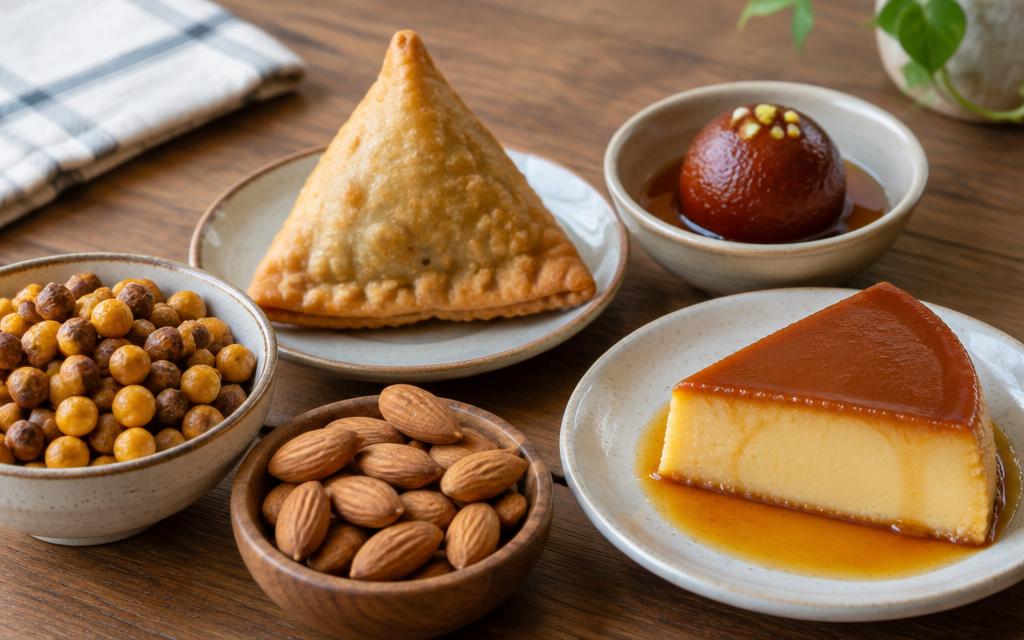
Air-popped popcorn
popcorn
Low in purines — a safe everyday choice. Drink plenty of water.
Portion: 3 cups (about 24 g)
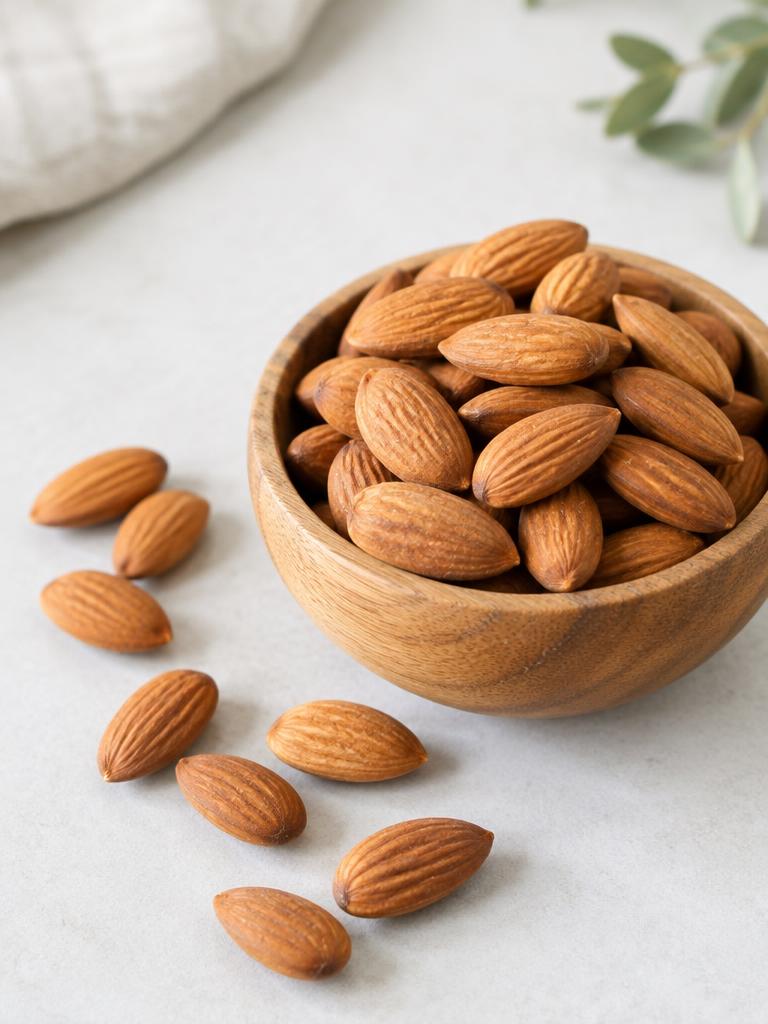
Almonds
badam, lawz
Low in purines — a safe everyday choice. Drink plenty of water.
Portion: 10–12 almonds (about 15 g)
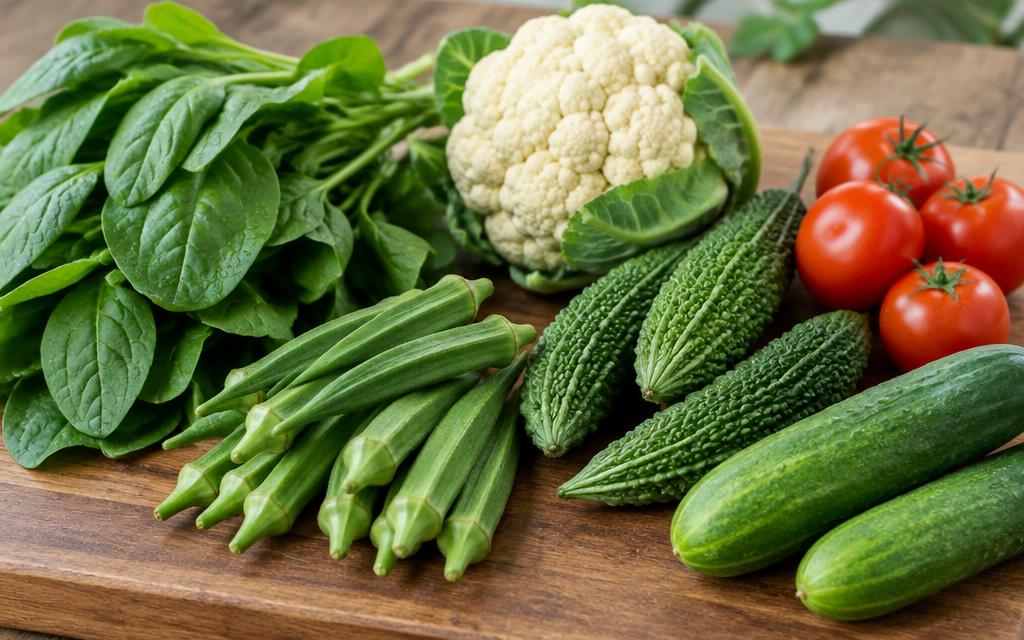
Aloo gobi
potato cauliflower
Low in purines — a safe everyday choice. Drink plenty of water.
Portion: 1 cup (about 150 g)
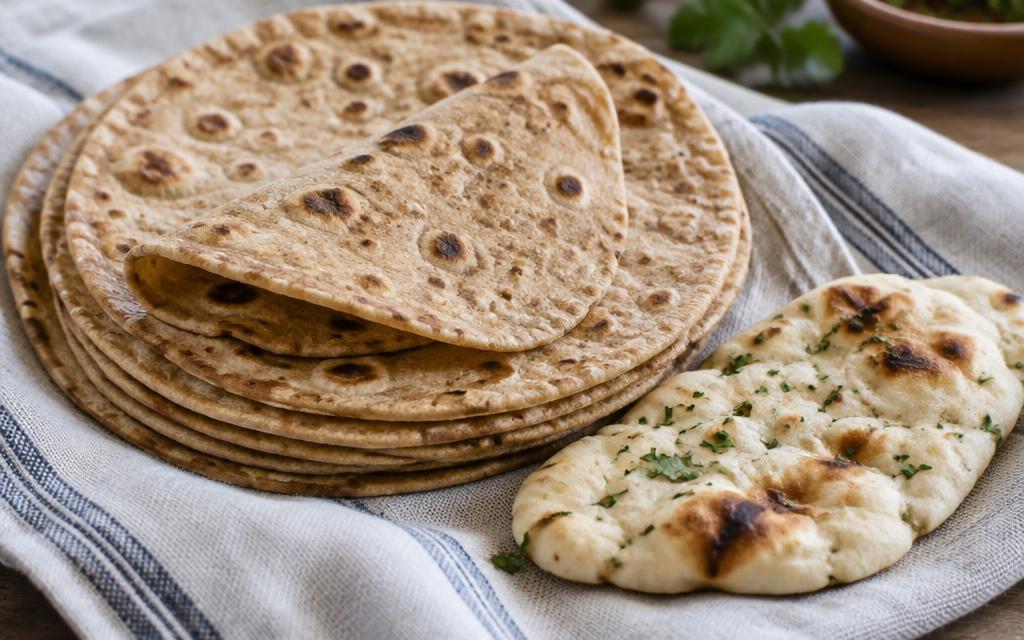
Aloo paratha
aaloo parantha
Low in purines — a safe everyday choice. Drink plenty of water.
Portion: 1 medium (about 120 g)
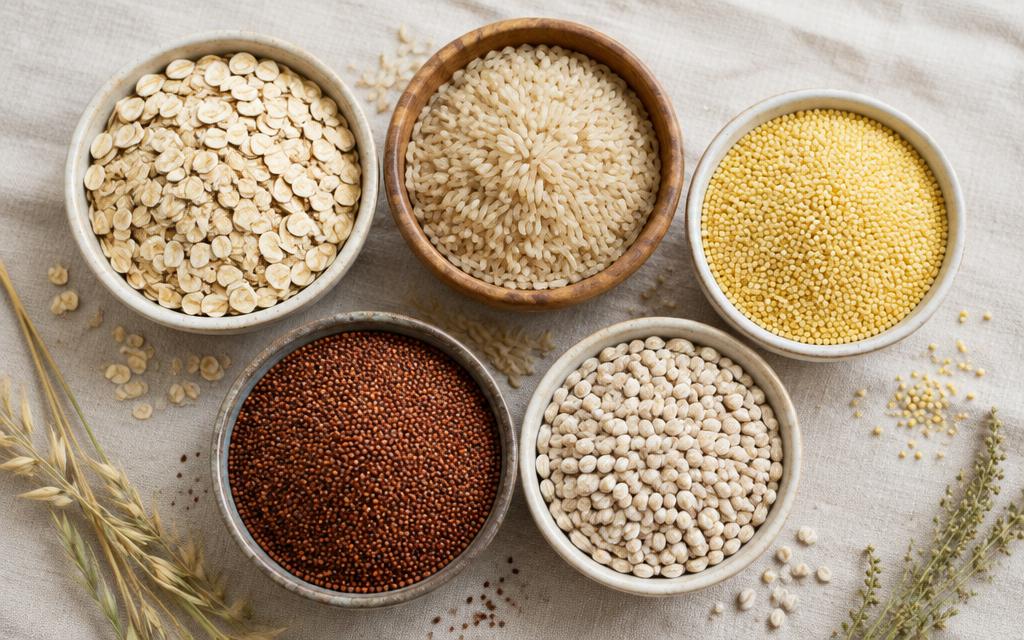
Appam
hoppers, palappam
Low in purines — a safe everyday choice. Drink plenty of water.
Portion: 2 pieces (about 100 g)
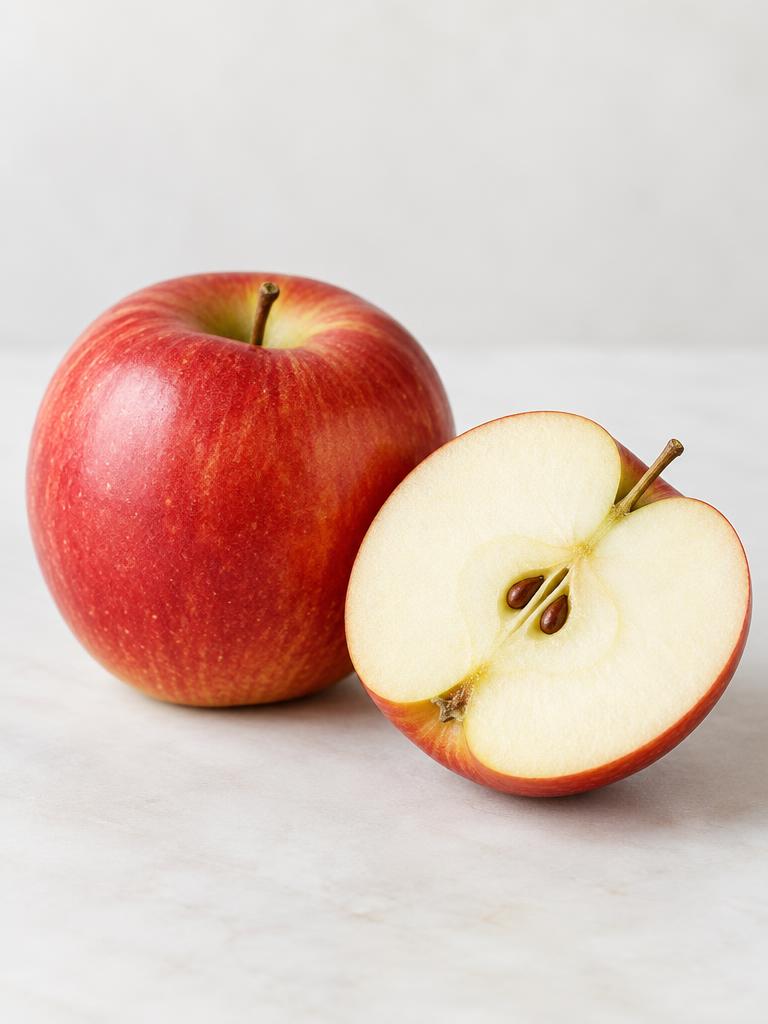
Apple
mansanas, seb, tuffah
Low in purines — a safe everyday choice. Drink plenty of water.
Portion: 1 small (about 150 g)
Showing 6 Green choices — use search, filters or the categories below to see more.
How to read the colours
Green — Choose more often
Generally a good everyday choice in sensible portions.
Amber — Watch your portion
Fine to eat — keep the portion small and pair with protein or vegetables.
Red — Limit / avoid routinely
Best kept for occasional small amounts, not every day.
These colours are educational guidance, not strict rules. Your own plan depends on your medicines, weight, kidney health and goals — discuss it with your doctor.
Food categories
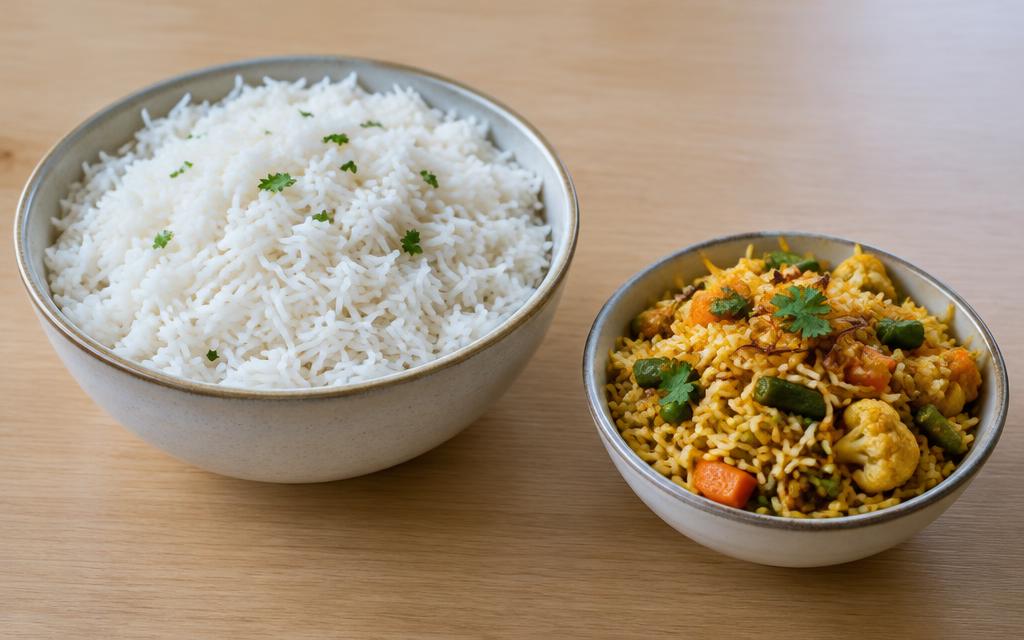
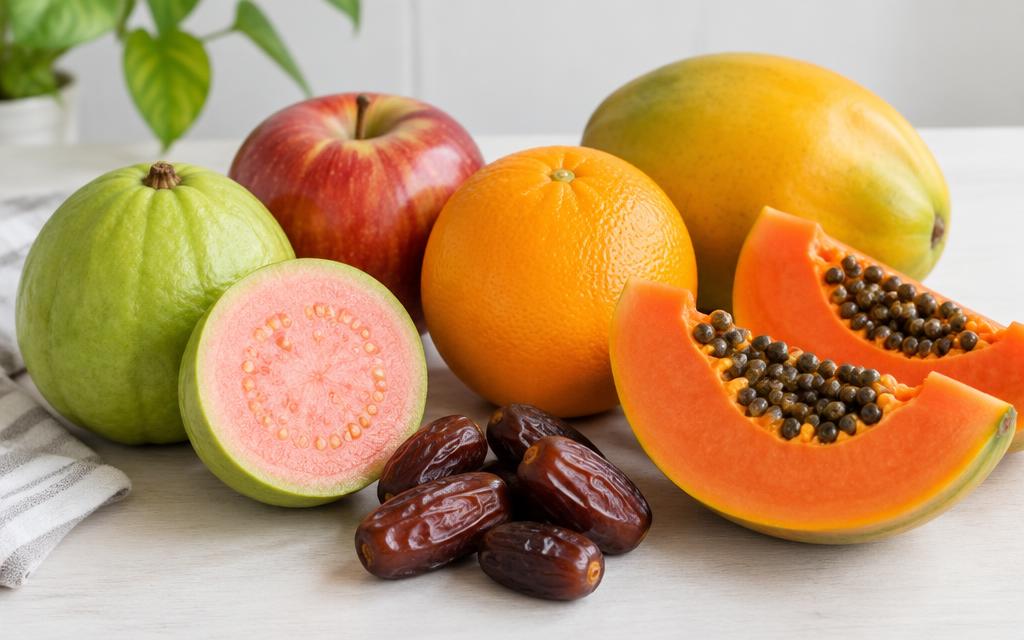
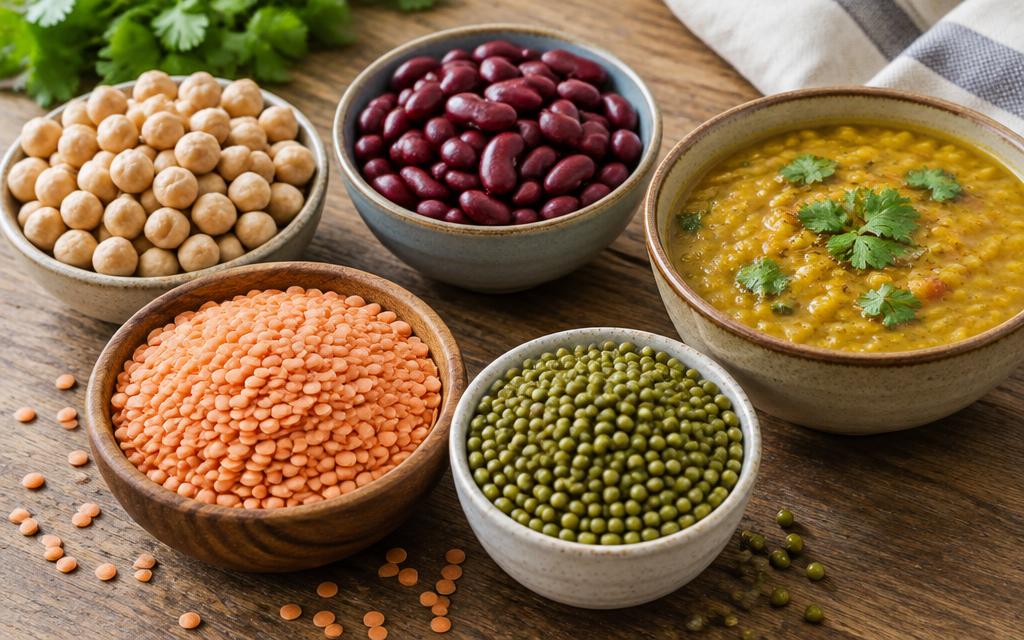
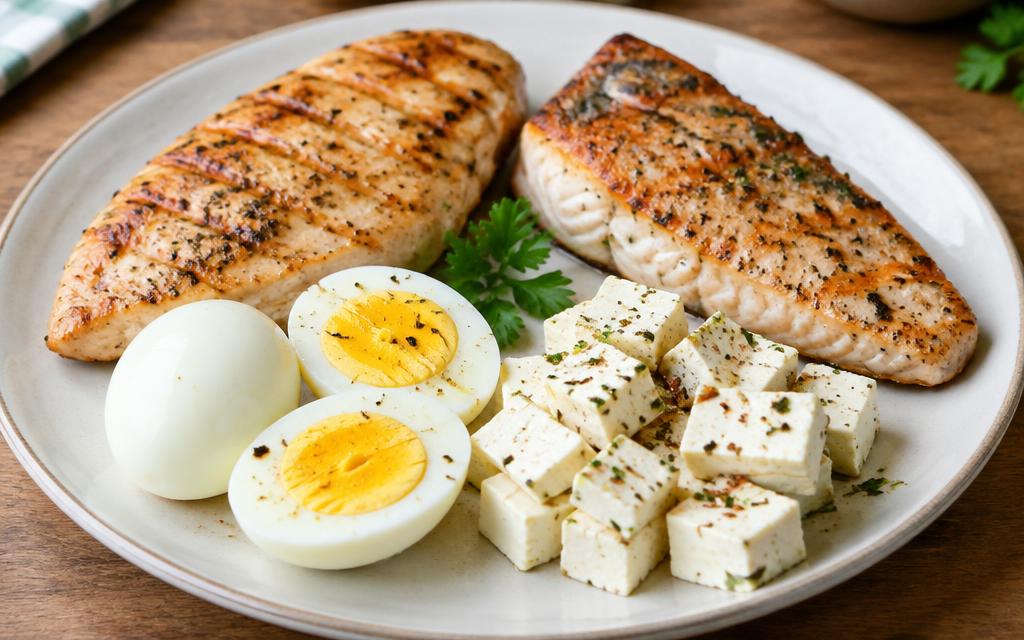
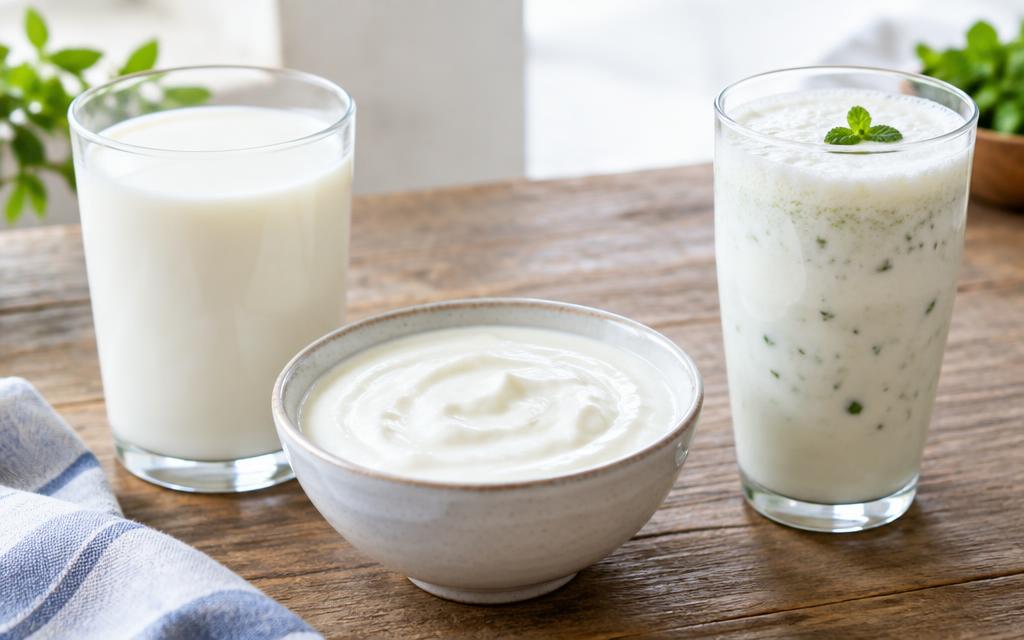
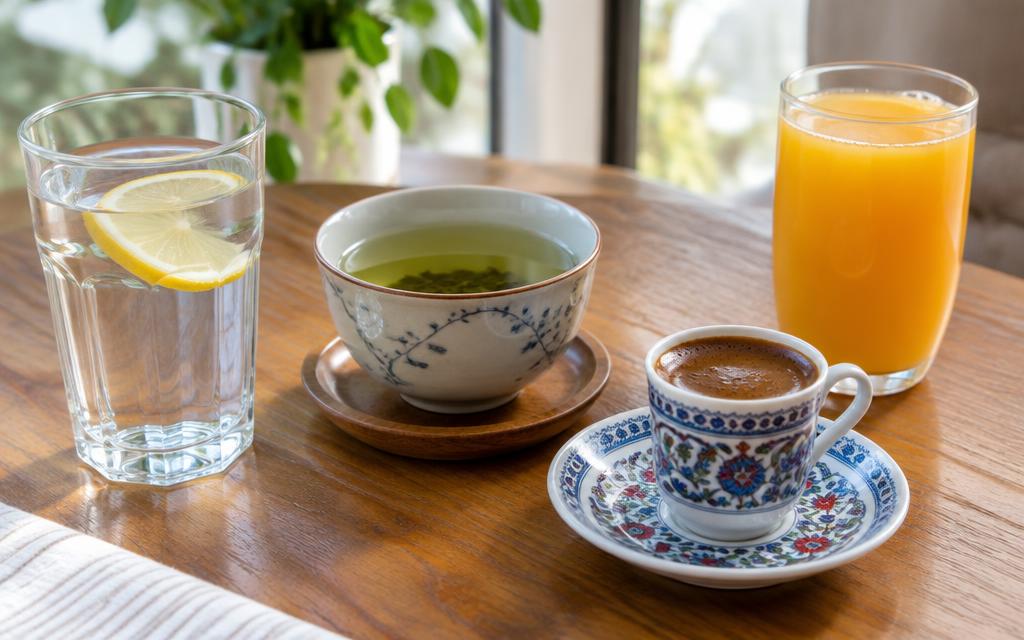
Cultural food collections
Practical guides
Medical disclaimer: All content on this website is for general educational purposes only. It is not a substitute for professional medical advice, diagnosis or treatment, and reading it does not establish a doctor–patient relationship. Always consult a qualified clinician about your own health. Content is medically reviewed and based on recognised clinical guidelines — see references. If you have feedback or a suggestion to improve this website, .