
Hypoglycemia
Low blood sugar — recognising symptoms, quick treatment and prevention.
Hypoglycemia Food Guide — search rice, roti, dal and 200 more foods, rated Green / Amber / Red for fast vs slow carbohydrates.
Open the Food GuideVegetables · Hypoglycemia
Non-starchy vegetables should fill half your plate.
Educational guidance only — not a personal diet prescription. Content is medically reviewed and based on recognised clinical guidelines — see references. If you have feedback or a suggestion to improve this website, .
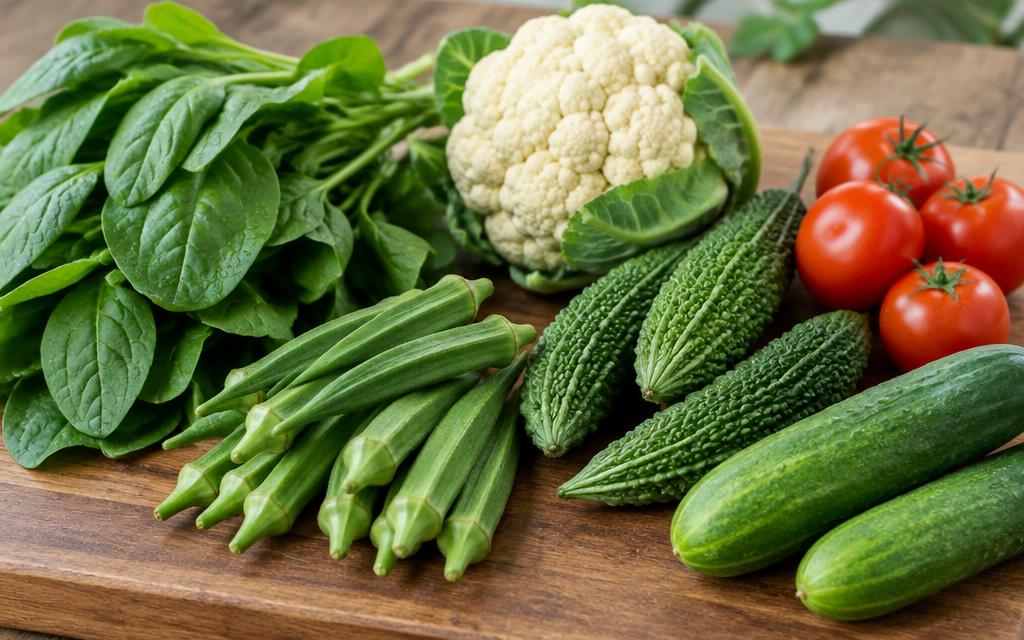
Avial
aviyal
Steady energy — a good regular meal or bedtime snack to help prevent lows.
Portion: 1 cup (about 150 g)
Baingan bharta
bhurtha, eggplant mash
Steady energy — a good regular meal or bedtime snack to help prevent lows.
Portion: 1 cup (about 150 g)
Bhindi masala (okra)
bamia, bhindi, okra
Steady energy — a good regular meal or bedtime snack to help prevent lows.
Portion: 1 cup (about 160 g)
Broccoli
brokoli
Steady energy — a good regular meal or bedtime snack to help prevent lows.
Portion: 1 cup cooked (about 156 g)
Cabbage thoran
palya, poriyal
Steady energy — a good regular meal or bedtime snack to help prevent lows.
Portion: 1 cup (about 150 g)
Fattoush
fatoush
Steady energy — a good regular meal or bedtime snack to help prevent lows.
Portion: 1½ cups (about 150 g)
Mixed vegetable sabzi
mix sabzi
Steady energy — a good regular meal or bedtime snack to help prevent lows.
Portion: 1 cup (about 150 g)
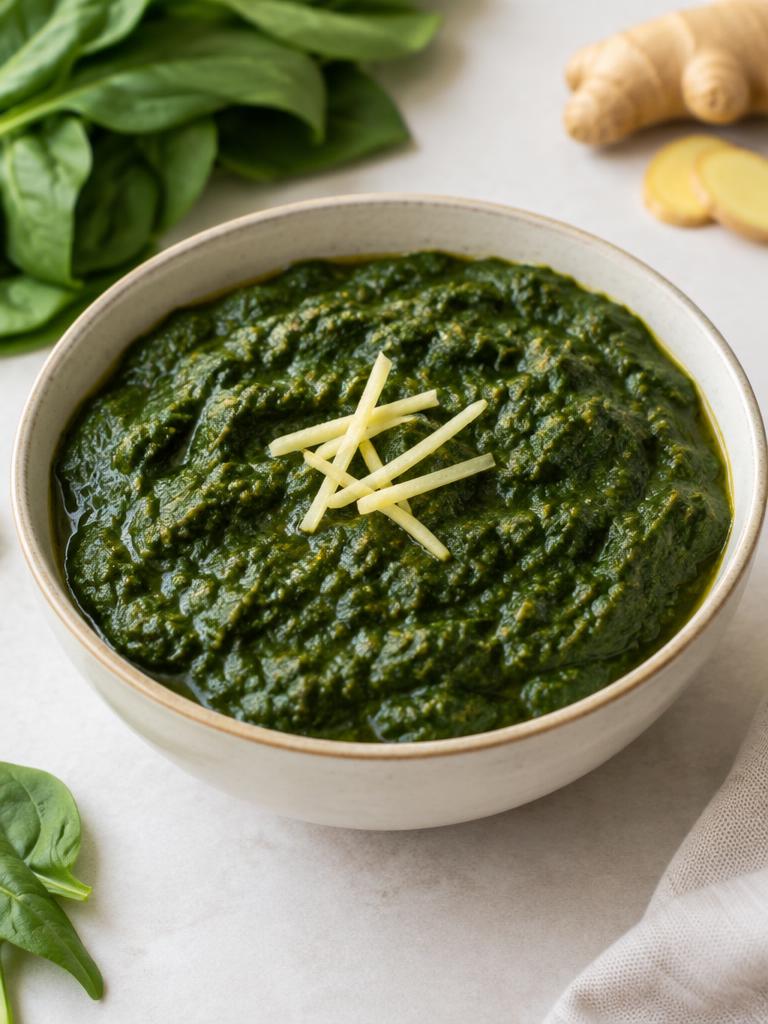
Palak / sarson saag
palak sabzi, saag
Steady energy — a good regular meal or bedtime snack to help prevent lows.
Portion: 1 cup (about 180 g)
Pinakbet
pakbet
Steady energy — a good regular meal or bedtime snack to help prevent lows.
Portion: 1 cup (about 150 g)
Tabbouleh
tabouli
Steady energy — a good regular meal or bedtime snack to help prevent lows.
Portion: 1 cup (about 120 g)
Aloo gobi
potato cauliflower
Provides carbohydrate — eat regularly and don't skip meals.
Portion: 1 cup (about 150 g)
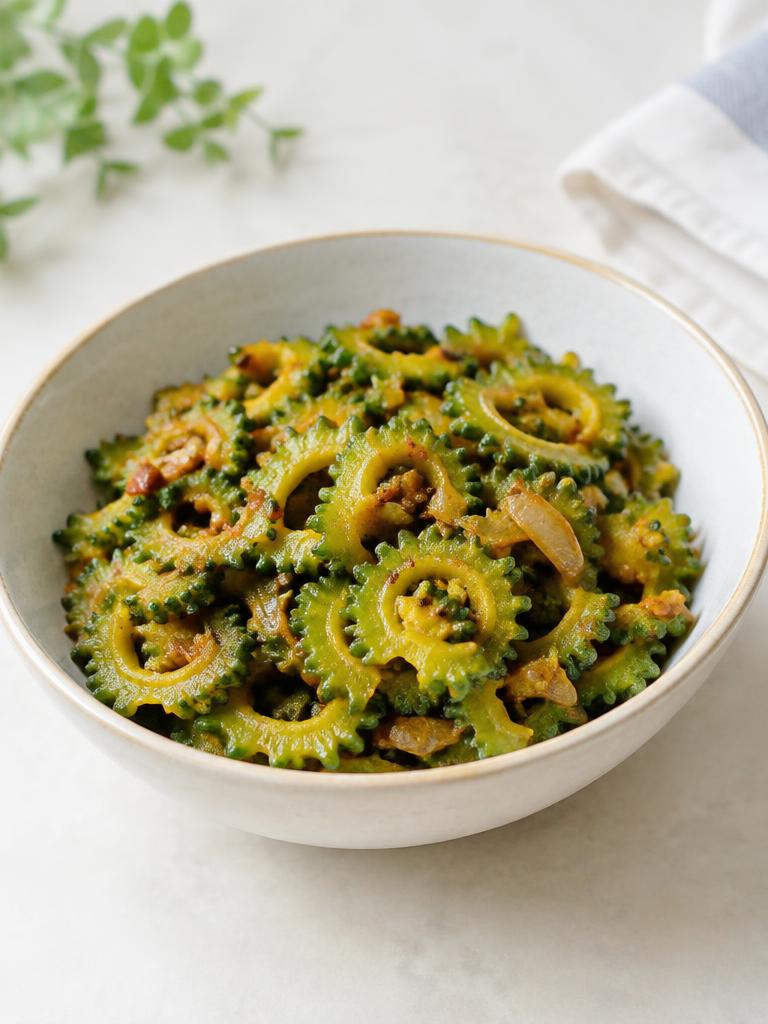
Bitter gourd (karela)
ampalaya, bitter melon, pavakkai
Provides carbohydrate — eat regularly and don't skip meals.
Portion: 1 cup cooked (about 125 g)
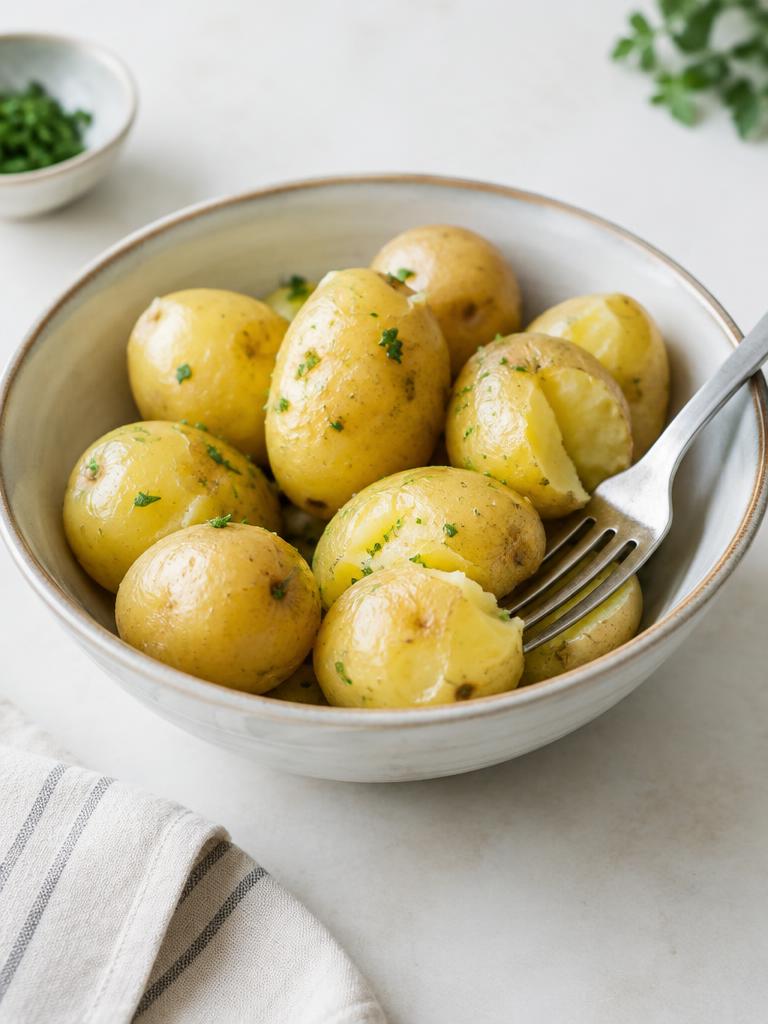
Boiled potato
aloo, batata, patatas
Provides carbohydrate — eat regularly and don't skip meals.
Portion: 1 medium (about 150 g)
Boiled sweet potato (kamote)
camote, shakarkandi
Provides carbohydrate — eat regularly and don't skip meals.
Portion: 1 medium (about 130 g)
Bottle gourd (lauki)
doodhi, ghiya, upo
Provides carbohydrate — eat regularly and don't skip meals.
Portion: 1 cup cooked (about 150 g)
Carrot
gajar, jazar, karot
Provides carbohydrate — eat regularly and don't skip meals.
Portion: 1 medium (about 61 g)
Cauliflower
gobi, qarnabeet
Provides carbohydrate — eat regularly and don't skip meals.
Portion: 1 cup cooked (about 124 g)
Coconut chutney
thengai chutney
Low in carbohydrate — pair with a starchy food so the meal protects against lows.
Portion: 2 tablespoons (about 30 g)
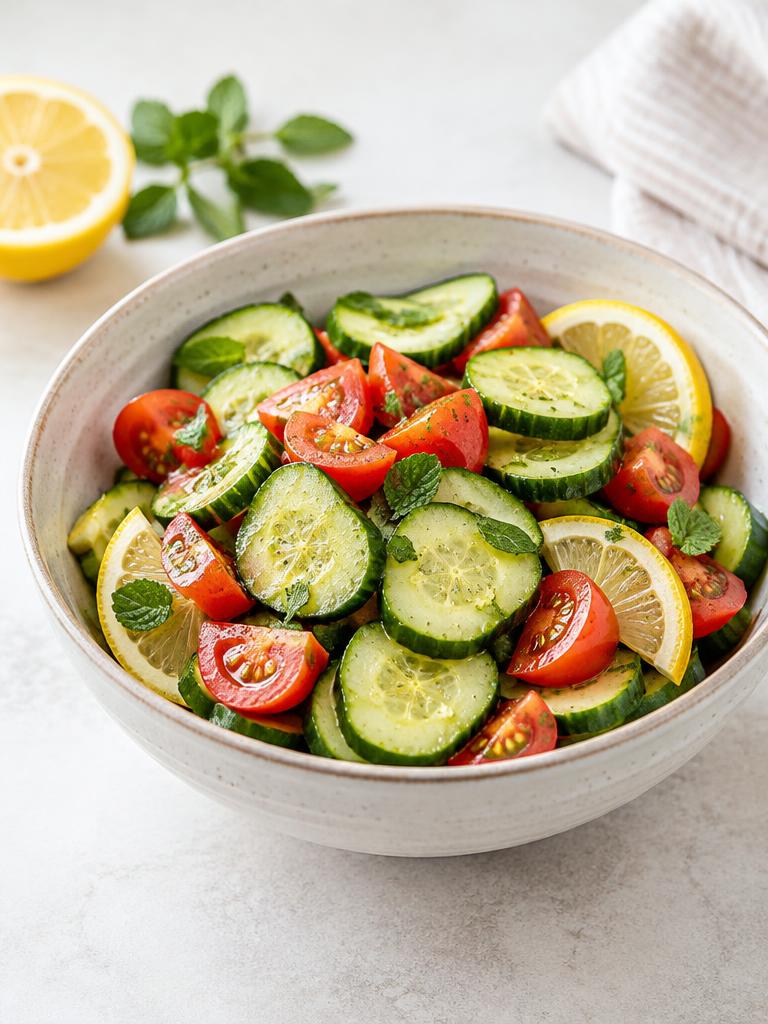
Cucumber salad
kheera, khiyar, pipino
Low in carbohydrate — pair with a starchy food so the meal protects against lows.
Portion: 1 cup (about 120 g)
Ginisang ampalaya
ampalaya with egg
Provides carbohydrate — eat regularly and don't skip meals.
Portion: 1 cup (about 150 g)
Laing
taro leaves in coconut
Provides carbohydrate — eat regularly and don't skip meals.
Portion: 1 cup (about 150 g)
Lumpiang sariwa
fresh spring roll
Provides carbohydrate — eat regularly and don't skip meals.
Portion: 1 roll (about 150 g)
Mutabal
baba ghanoush
Provides carbohydrate — eat regularly and don't skip meals.
Portion: 3 tablespoons (about 60 g)
Rasam
chaaru, saaru
Provides carbohydrate — eat regularly and don't skip meals.
Portion: 1 cup (about 200 g)
Spinach (plain cooked)
kangkong (similar), palak, sabanekh
Provides carbohydrate — eat regularly and don't skip meals.
Portion: 1 cup cooked (about 180 g)
Sweet corn
bhutta, mais
Provides carbohydrate — eat regularly and don't skip meals.
Portion: ½ cup (about 80 g)
Tomato
kamatis, tamatar, tamatim
Low in carbohydrate — pair with a starchy food so the meal protects against lows.
Portion: 1 medium (about 123 g)
Medical disclaimer: All content on this website is for general educational purposes only. It is not a substitute for professional medical advice, diagnosis or treatment, and reading it does not establish a doctor–patient relationship. Always consult a qualified clinician about your own health. Content is medically reviewed and based on recognised clinical guidelines — see references. If you have feedback or a suggestion to improve this website, .