
High Cholesterol
Lipid disorders, heart-attack and stroke risk, healthy habits and a cholesterol diet plan.
High Cholesterol Food Guide — search rice, roti, dal and 200 more foods, rated Green / Amber / Red for saturated fat.
Open the Food GuideMilk & Dairy · High Cholesterol
Plain yogurt, laban and milk — avoid sweetened versions.
Educational guidance only — not a personal diet prescription. Content is medically reviewed and based on recognised clinical guidelines — see references. If you have feedback or a suggestion to improve this website, .
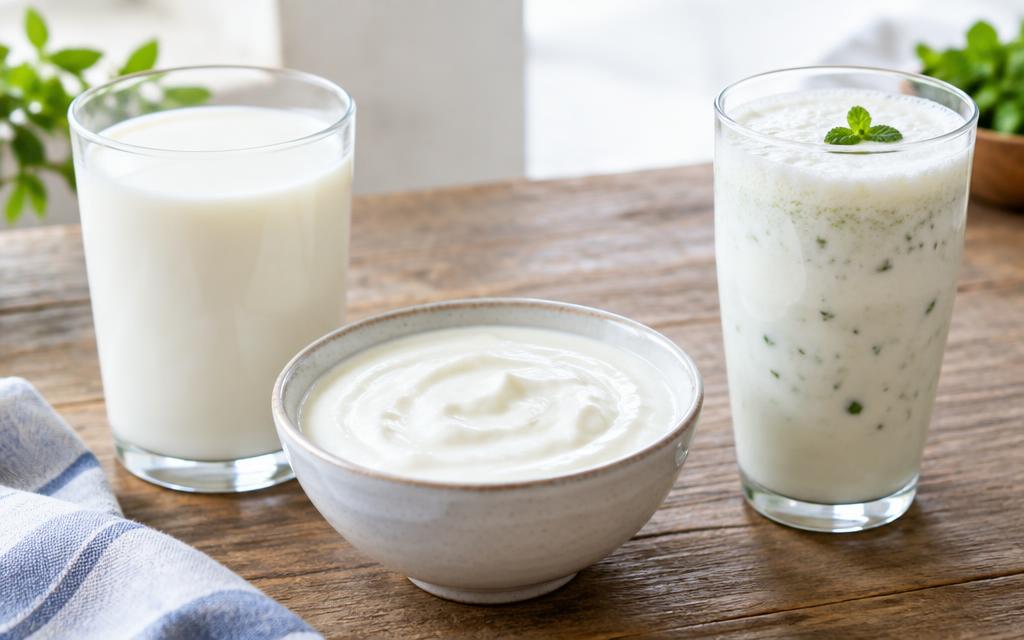
Cucumber raita
kheera raita
Heart-friendly choice — low in saturated fat; fibre and healthy fats help lower cholesterol.
Portion: ½ cup (about 100 g)
Laban (buttermilk)
laban ayran, lassi (thin)
Heart-friendly choice — low in saturated fat; fibre and healthy fats help lower cholesterol.
Portion: 1 glass (200 ml) (about 200 g)
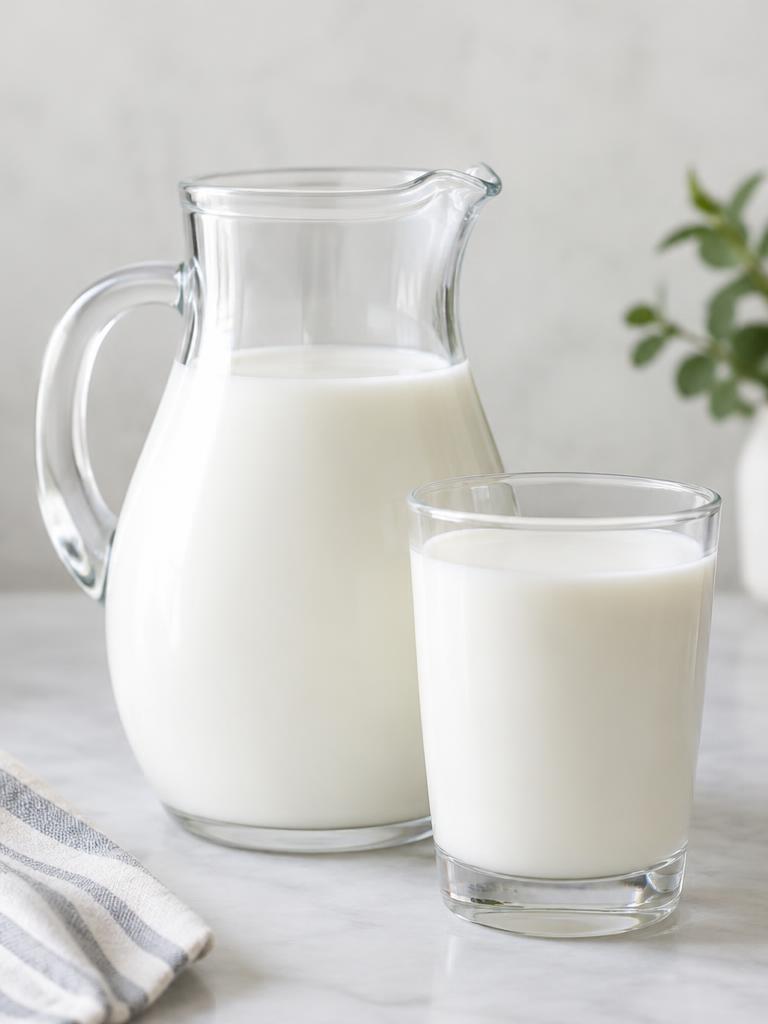
Low-fat milk
gatas, skimmed milk, toned milk
Heart-friendly choice — low in saturated fat; fibre and healthy fats help lower cholesterol.
Portion: 1 cup (250 ml) (about 250 g)
Plain Greek yogurt
strained yogurt
Heart-friendly choice — low in saturated fat; fibre and healthy fats help lower cholesterol.
Portion: ¾ cup (about 150 g)
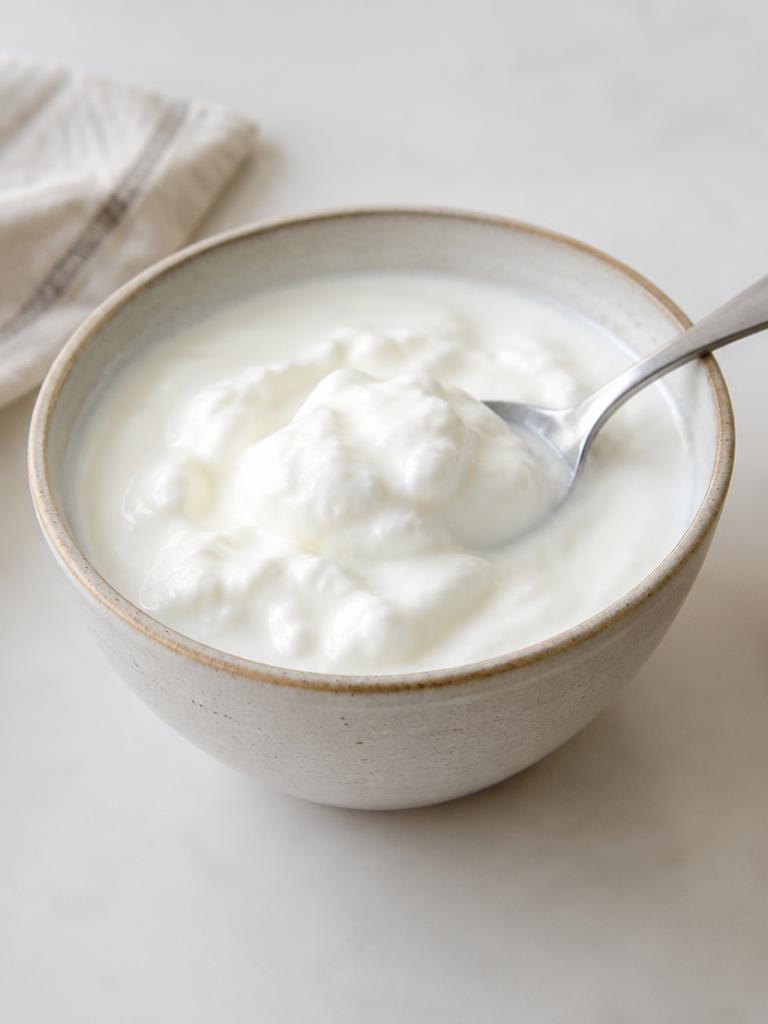
Plain yogurt (dahi)
curd, yoghurt, zabadi
Heart-friendly choice — low in saturated fat; fibre and healthy fats help lower cholesterol.
Portion: ¾ cup (about 150 g)
Spiced buttermilk (moru)
majjige, neer mor
Heart-friendly choice — low in saturated fat; fibre and healthy fats help lower cholesterol.
Portion: 1 glass (250 ml) (about 250 g)
Labneh
labna
Moderate fat — choose a small portion and cook with less oil or ghee.
Portion: 2 tablespoons (about 30 g)
Cheddar cheese
cheese, keso
High in saturated fat or fried — raises LDL cholesterol. Keep for occasional small portions.
Portion: 1 slice / 30 g (about 30 g)
Full-cream milk
whole milk
High in saturated fat or fried — raises LDL cholesterol. Keep for occasional small portions.
Portion: 1 cup (250 ml) (about 250 g)
Medical disclaimer: All content on this website is for general educational purposes only. It is not a substitute for professional medical advice, diagnosis or treatment, and reading it does not establish a doctor–patient relationship. Always consult a qualified clinician about your own health. Content is medically reviewed and based on recognised clinical guidelines — see references. If you have feedback or a suggestion to improve this website, .