
Hypoglycemia
Low blood sugar — recognising symptoms, quick treatment and prevention.
Hypoglycemia Food Guide — search rice, roti, dal and 200 more foods, rated Green / Amber / Red for fast vs slow carbohydrates.
Open the Food GuidePulses & Legumes · Hypoglycemia
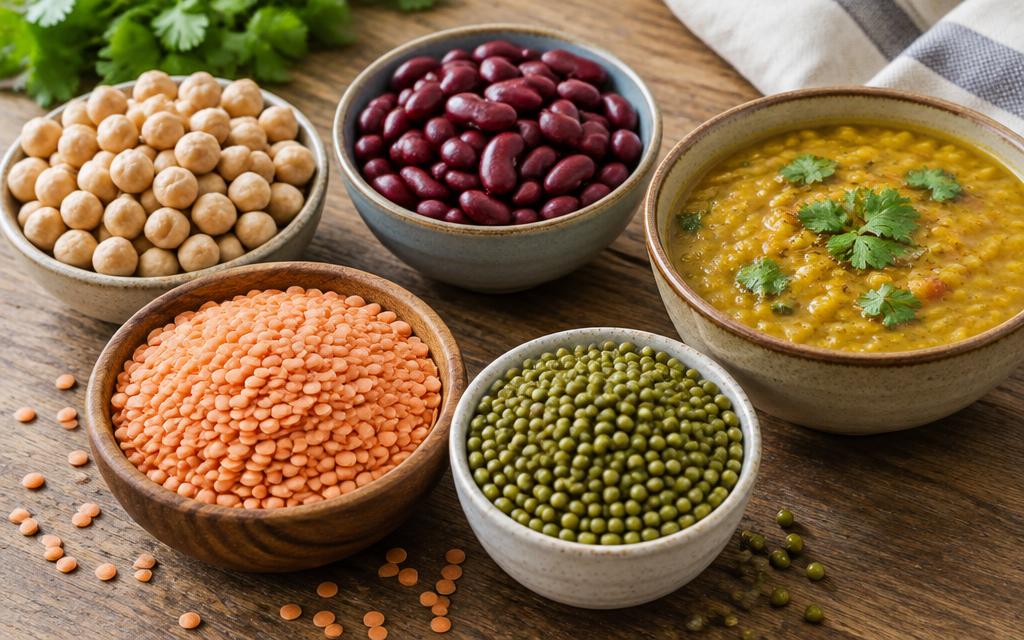
Dal, chana and beans give fibre and protein together.
Educational guidance only — not a personal diet prescription. Content is medically reviewed and based on recognised clinical guidelines — see references. If you have feedback or a suggestion to improve this website, .
Besan chilla
gram flour pancake, pudla
Steady energy — a good regular meal or bedtime snack to help prevent lows.
Portion: 1 large (about 80 g)
Chana dal
bengal gram dal, daal chana
Steady energy — a good regular meal or bedtime snack to help prevent lows.
Portion: 1 cup cooked (about 200 g)
Chickpeas (boiled)
garbanzos, hummus beans, kabuli chana
Steady energy — a good regular meal or bedtime snack to help prevent lows.
Portion: ½ cup (about 82 g)
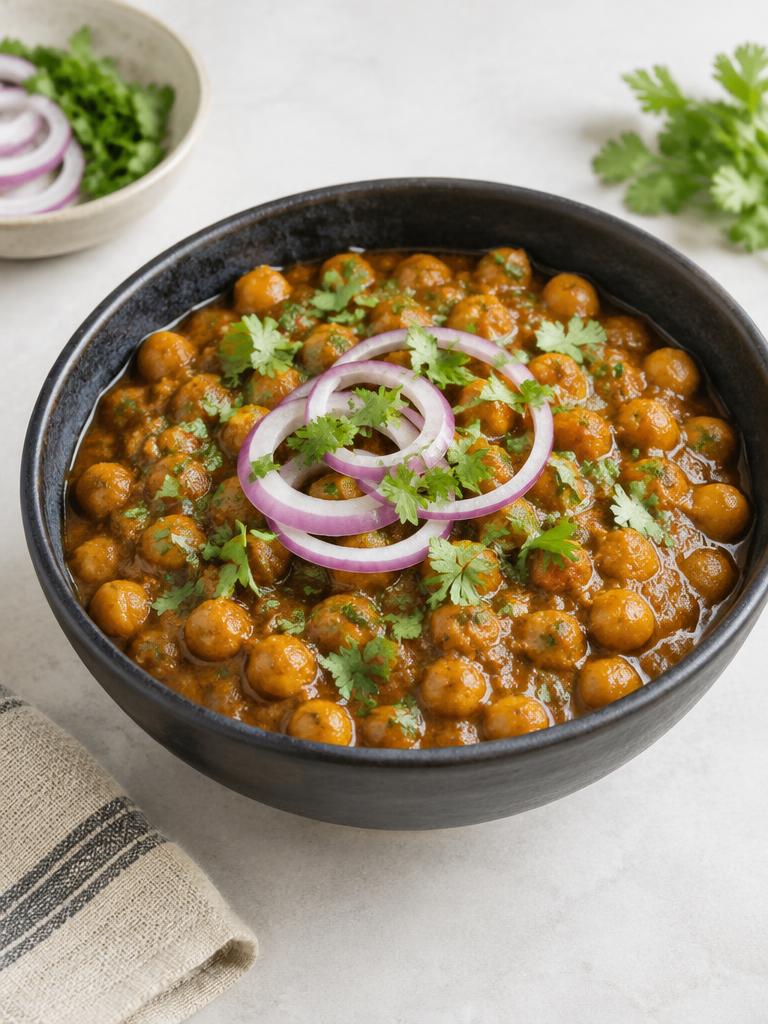
Chole (chickpea curry)
chana masala, cholay
Steady energy — a good regular meal or bedtime snack to help prevent lows.
Portion: 1 cup (about 200 g)
Dal makhani
maa ki dal
Steady energy — a good regular meal or bedtime snack to help prevent lows.
Portion: 1 cup (about 200 g)
Falafel
taameya
Steady energy — a good regular meal or bedtime snack to help prevent lows.
Portion: 3 pieces (about 50 g)
Foul medames
fava bean stew, ful
Steady energy — a good regular meal or bedtime snack to help prevent lows.
Portion: 1 cup (about 200 g)
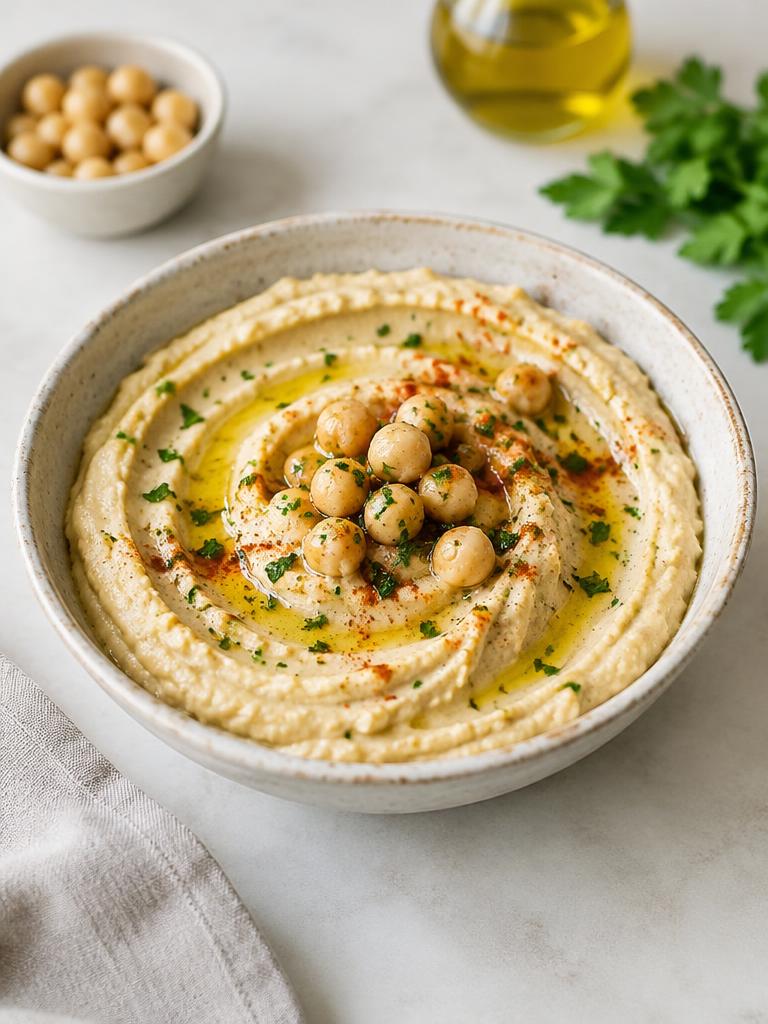
Hummus
hommos, houmous
Steady energy — a good regular meal or bedtime snack to help prevent lows.
Portion: 2–3 tablespoons (about 30 g)
Kidney beans (boiled)
frijoles, rajma (plain)
Steady energy — a good regular meal or bedtime snack to help prevent lows.
Portion: ½ cup (about 90 g)
Lentil soup (shorbat adas)
adas soup
Steady energy — a good regular meal or bedtime snack to help prevent lows.
Portion: 1 bowl (about 250 g)
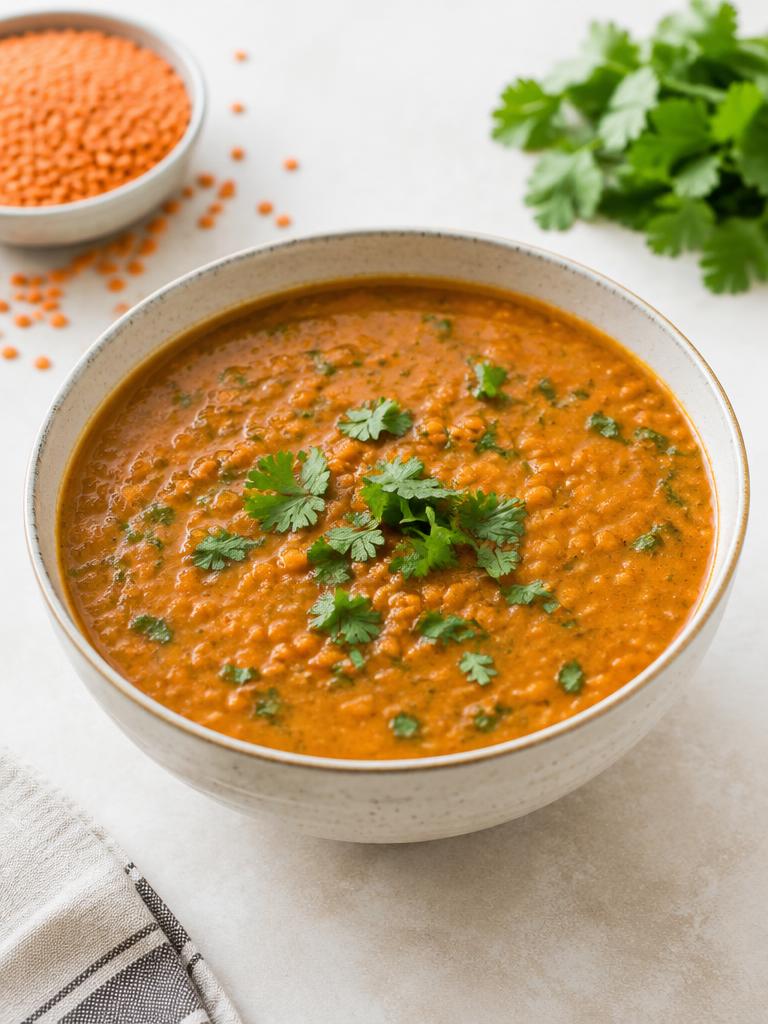
Masoor dal (red lentils)
adas, lal masoor
Steady energy — a good regular meal or bedtime snack to help prevent lows.
Portion: 1 cup cooked (about 200 g)
Moong dal
green gram dal, mung dal
Steady energy — a good regular meal or bedtime snack to help prevent lows.
Portion: 1 cup cooked (about 200 g)
Moong sprouts
bean sprouts, togue
Steady energy — a good regular meal or bedtime snack to help prevent lows.
Portion: 1 cup (about 100 g)
Rajma curry
kidney bean curry, rajmah
Steady energy — a good regular meal or bedtime snack to help prevent lows.
Portion: 1 cup (about 200 g)
Sambar
sambhar
Steady energy — a good regular meal or bedtime snack to help prevent lows.
Portion: 1 cup (about 200 g)
Sundal
chana sundal
Steady energy — a good regular meal or bedtime snack to help prevent lows.
Portion: ½ cup (about 100 g)
Medical disclaimer: All content on this website is for general educational purposes only. It is not a substitute for professional medical advice, diagnosis or treatment, and reading it does not establish a doctor–patient relationship. Always consult a qualified clinician about your own health. Content is medically reviewed and based on recognised clinical guidelines — see references. If you have feedback or a suggestion to improve this website, .